Geeta Sidhu-Robb
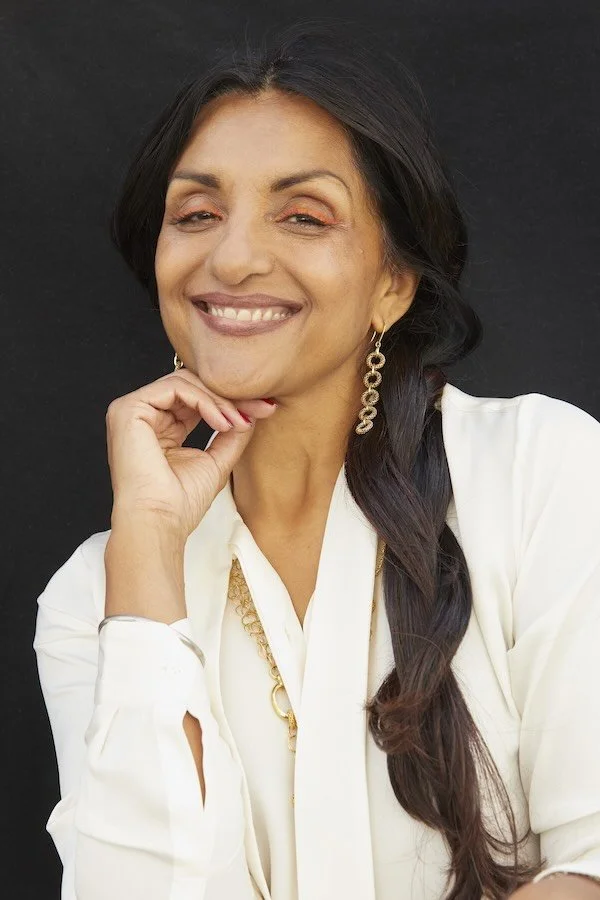
Founder and CEO, W CORP
Geeta Sidhu-Robb is a straight-talking, multi-award-winning entrepreneur, coach and change-maker on a mission to radically change the world of women by building the standards, structures, and economic pathways that allow women to hold real authority — without compromise.
She founded her first business, Nosh Detox, in 2008 after her son’s severe allergies led her to explore health and nutrition. Built from a £2,000 overdraft, the company grew into a recognised wellness brand with clients including Gwyneth Paltrow.
Since retraining as a coach in 2012, Geeta has advised high-performing founders, CEOs and senior leaders through periods of significant growth, IPOs and exits. Her clients have included Sam Smith of finnCap, Gurinder Chadha and Nadia Swarovski — and most recently Mia Drennan of GLAS Agencies, whom she coached through a private equity exit in December 2025 at a valuation of over £1bn.
Geeta is also a coach on SuperScalers, supporting underrepresented founders scaling beyond £1m in revenue.
In 2024 she launched WCorp, which works with companies globally to improve workplace culture, leadership and retention for women. In 2025 she launched WCorp Green Flag, an investment standard focused on improving support and access to capital for women-led businesses.
Most recently, Geeta launched 7 Rungs — a structured coaching programme built specifically for female founders, designed around seven stages of growth from first revenue to £2m and beyond.
She is a TEDx speaker, has earned multiple entrepreneurship and leadership awards and is a frequent media commentator on women, work and economic inclusion.
Why do you support the work of The Entrepreneurs Network?
Because the best policy comes from people who've actually built something. The Entrepreneurs Network takes entrepreneurial experience seriously — not as a backdrop, but as the source of real insight. I've built businesses from a sofa with a £2,000 overdraft, coached founders through IPOs and exits, and seen firsthand what structural barriers look like for women trying to scale. Being part of a network that translates lived entrepreneurial experience into meaningful policy conversations feels both important and necessary.
What research should more people be reading?
More people should be reading the research around the economic impact of inclusive workplaces and the persistent funding gap facing women-led businesses. The data is increasingly clear: organisations that support women effectively perform better across profitability, retention and innovation metrics. At the same time, women-led businesses continue to receive disproportionately low levels of investment despite strong evidence of performance and capital efficiency. Much of the evidence already exists — the challenge now is acting on it.
Why is the UK an attractive place to start and grow a business?
The UK still offers significant advantages for entrepreneurs: deep talent pools, strong professional infrastructure, global connectivity and a culture that continues to value innovation and ambition. But there is still considerable untapped potential. Too many founders — particularly women — continue to face barriers around funding, networks and workplace structures that were never designed with them in mind. Addressing those gaps would not only improve fairness, but strengthen the UK’s long-term economic competitiveness and entrepreneurial ecosystem overall.