Three Big Ideas #11

⚛️ Jeremy Driver, Britain Remade

Britain used to be a nuclear superpower. The atom was first split in Britain. In 1956, Britain opened the world’s first full-scale commercial nuclear reactor. Less than ten years later, it had built 21 more. As late as 1965, Britain had more nuclear reactors than the rest of the world combined.

Yet Britain hasn’t completed a new nuclear power station in almost thirty years and most of our remaining fleet is set to be taken offline in the next few years. Only Sizewell B, which opened in 1995, is planned to stay online past 2028. With the delay of the new Hinkley Point C reactor, when Sizewell B closes for maintenance in 2029, Britain will have no nuclear power whatsoever on the grid for the first time in more than 70 years.

This would be bad for energy security, bad for household bills, and bad for climate change, pushing up the amount of unabated gas we burn to compensate. It also puts the Government’s target for a clean energy grid by 2030 at risk, with the recent report from the National Energy System Operator finding that this target requires there being between 3.6 GW and 4.1 GW of nuclear power on the grid.

But there is a solution. At Britain Remade we’re calling on the Government to safely extend the life of our existing fleet of Advanced Gas-cooled Reactors (AGRs). Our analysis shows that extending the use of just two of our AGRs, Heysham 2 and Torness power stations, and finishing just 1 unit of Hinkley Point C would provide 5.3 GW of clean nuclear power, preventing the release of 8.8 million tonnes of carbon into the atmosphere, equivalent to taking 1.8 million petrol cars off the road.

That’s why we’re pushing the government to follow in the footsteps of countries like France and the United States and make the obvious, sensible and safe decision to extend the lifespan of our existing nuclear reactors. If you agree with us, back our campaign.

👩‍💻 Anastasia Bektimirova, Researcher

I spent a fascinating couple of days last week at the events of the inaugural AI for Science Forum, co-hosted by Google DeepMind and The Royal Society. True to the spirit of open science, the organisers recorded and uploaded the Forum’s sessions here. The themes that kept on coming up were an evolving notion of what it means to be a scientist, multidisciplinarity, and the changing ways of organising science. But unambiguously, the keyword was: data – both as a bottleneck and an opportunity – for AI-driven scientific progress. As DeepMind’s VP of Science Pushmeet Kohli noted during his panel, “we have a path for discovery but a scarcity of input.”

This point holds for all fields but one – the social sciences. As Fabian Theis, Director of the Computational Biology Institute at TUM said, “we have all these different developed disciplines…they have datasets…but then they still see this [AI] as a bit of a mystic thing”. What is needed is “activation to embrace AI”. Later, the Government Chief Scientific Adviser Dame Angela McLean said, “it’s incredibly attractive to use these powerful tools to address natural science questions, but we should also be thinking how we can use these tools to completely revolutionise social sciences”. I couldn’t agree more, with the caveat that AI is not the only available hammer of this revolution.

Social sciences are not uniform. Certain fields and subfields are inherently more receptive to methodological innovation than others. Updating university social science curriculum to better align it with methodological frontiers can only go so far. The “digital revolution” in the social sciences, prompting increased use of computational research methods, has been around for a while, with uneven spread. This suggests that beyond methodological innovation, deeper shifts need to happen too. They may need to be more cultural in nature, which makes them harder to achieve or incentivise.

With the exception of certain technically advanced camps in traditionally quantitatively strong fields, such as economics and political science, AI as a research tool remains a largely untapped opportunity in the social sciences. DeepMind’s recent blog on AI for science is a telling sign. It is a brilliant read, thoroughly exploring AI opportunities and challenges across a wide spectrum of fields, but overlooks the social sciences, even though DeepMind itself has produced impressive work in this space. Many areas discussed in the piece, such as problem selection and interdisciplinarity, certainly apply to social science research, yet it doesn’t spell out the words social science once. Personally, having attended several events in recent months on the topic, I’m left with no doubt that the future of the AI-powered social science revolution is bright.

⚖️ Philip Salter, Founder

The prosaic world British regulatory reform has caught the attention of the US under the stunning headline (which deserves to be written out in full): Shock UK Regulatory Coup Gives Government Sweeping Control Over US Tech: London's digital markets, competition and consumers act gives regulators the power to stop any acquisition, anywhere, for basically any reason they want.

Ashley Rindsberg is dissecting the Digital Markets, Competition and Consumers (DMCC) Act which is coming into force and gives the Competition and Markets Authority (CMA) significant new powers. Despite the headline, this isn’t clickbait – Rindsberg has a point. More precisely, he has lots of points, but I want to focus on the one that really matters to entrepreneurs that I talk with.

As ​​Rindsberg writes, “the DMCC gives the CMA broad new powers to intervene with mergers that target what it calls ‘killer acquisitions.’ While the language makes it sound as if only massively disruptive technologies fall into the category, the letter of the law reveals the opposite to be true. Instead, under the killer acquisition provision, the UK now has the ability to intervene in ‘no-increment’ mergers – i.e. deals that don’t increase the market share of either party, which can be manifestly non-competitive with each other.”

Back in 2021, we joined forces with the International Centre for Law and Economics to write a sober assessment paper on the risks of the DMU. Central to the argument in Conflicting Missions is that startups depend on acquisitions. While some don’t want to admit it, being bought is the main way entrepreneurs and venture capital investors are paid for their hard work and investment. The harder it is to sell your company, the harder it is to make a return. The paper cites empirical evidence that venture capital activity grows when countries enact pro-takeover laws, and declines when anti-takeover laws are introduced.

As our paper and Rindsberg’s article make clear – there is a huge amount of uncertainty about how this will play out. Entrepreneurs and investors are already burdened with enough of that.

Striking the Rights Balance

All budgets have winners and losers. The most vocal on the wrong end of the latest one are those hit by the inheritance tax changes, and the CEOs of Britain’s biggest businesses who plan to cut jobs and investment due to hikes to National Insurance. For the latter, these National Insurance hikes add insult to injury – the injury being the Employment Rights Bill, which was introduced prior to the Budget.

The Bill isn’t set in stone – the Government is currently consulting on it – and given the huge blowback around the National Insurance rise, I expect those in power will be particularly alert to any critiques. After all, according to the Government’s own analysis, the planned reforms will cost businesses billions a year.

In our conversations with entrepreneurs, the biggest concern around the Bill seems to be the right to claim unfair dismissal against employers from day one. Currently, there is a two-year qualifying period. While there will be a less onerous process for earlier terminations due to capability, conduct, illegality or so forth, many business owners are worried.

As Daniel Pollard, employment partner at Charles Russell Speechlys, says: “The risk of hiring the wrong person may make employers more cautious which is not good for anybody. If the rules are too restrictive during the probationary period this will also act as a brake on recruitment and stop employers taking a punt on a candidate who might be an outlier.”

For entrepreneurs in the sharing economy, we’ve heard concerns about the restrictions around zero-hour contracts. While the Bill doesn’t ban them, it sets out complex rules requiring guaranteed hours. Neil Carberry, Chief Executive of the Recruitment and Employment Confederation says: “Far too much is made of zero-hour contracts as being imposed on workers when there is more than enough evidence that people want to work in different ways.” This reflects the findings of our report for the All-Party Parliamentary Group for Entrepreneurship on the Sharing Economy.

There’s much more besides – some of which is hard to get too worked up about, such as stopping ‘firing and rehiring’. But as it currently stands, there’s an awful lot in there that will render British businesses less agile. This article on 11 things you need to know about the Employment Rights Bill is a good place to start if you don’t know what might be coming down the line.

I write “might” because my sense is that the Government is open to striking a better balance. If you’re keen to have your say, but don’t want to or can’t respond directly, sign up here. We’ll be going out directly to our Members to feed into our submission.

Big Deal
This week was the tenth instalment of our Three Big Ideas series on our Substack. If you’ll forgive the self-promotion, I think it’s a cracker. We invited Jack Wiseman from Inference Magazine to make the case for Special Compute Zones that are rumoured to appear in Matt Clifford’s AI Opportunities Action Plan. I wrote about how the Annual Investment Allowance has distorted investment away from business spending on big data and AI. While our Research Director Eamonn Ives gives some sound advice to whoever becomes the Chair of the newly established Regulatory Innovation Office (applications close this Sunday).

Lilac Review
I’m on the board of the Lilac Review – an independent government-backed review dedicated to understanding the challenges and successes experienced by disabled entrepreneurs.

On a range of questions, we’re looking for the views of entrepreneurs with a disability. Your insights will contribute to a comprehensive report from the Lilac Review, set for release in May 2025. As a thank you, everyone who completes the survey will be entered into a draw to win one of two £250 prizes.

You can take the survey here. The Lilac Review is committed to making this survey accessible to all. If you’d prefer to complete the survey in a different format, please reach out at: hello@lilacreview.com.

The Lilac Review was spearheaded by Michelle Ovens CBE, whose tenacity on this topic is only beaten by her ambitions to move the agenda forward. If you want to support this policy area and don’t know Mich, drop me an email and I’ll make an introduction.

Founder Resilience
Building on last week’s newsletter, I wrote for Forbes about the importance of founder resilience. If this is something that matters to you, let me know and I’ll make an introduction to Christina Richardson, our Adviser and author of the report.

Three Big Ideas #10

Three Big Ideas is our weekly roundup of ideas (and our takes on them) in entrepreneurship, innovation, science and technology, handpicked by the team.

In this week, Philip Salter writes about capital incentives slowing the diffusion of next-generation technologies, Eamonn Ives discusses ‘invisible graveyards’, and in a guest post, Jack Wiseman, of Inference Magazine, crunches the numbers on what Britain’s future electricity system should look like.

Three Big Ideas #10

⚡ Jack Wiseman, Inference Magazine

Since 2012, the computational power used to train the largest AI models has grown 100 million-fold. This has become enormously energy intensive: the most recent model from Meta used an estimated 27 megawatts of power capacity, which is approximately the same power required for 88,000 UK households. Were trends to continue, by 2030, training the largest model would use more than twice the UK’s entire energy generation capacity.

But as things stand, no developer would choose to build an AI datacentre in the UK: it can take up to 15 years to get a grid connection, and, once connected, the UK’s industrial electricity prices are four times higher than in the US and 45% higher than in France.

To rectify this, Britain needs to increase its energy supply. We investigated two options for doing so: one using a combination of wind, solar, grid-scale batteries, and natural gas backup; the other solely with nuclear power. Our modelling suggests that nuclear route has significant advantages for environmental impact and safety. Not only would the cost-minimising allocation of renewables plus batteries and backup require over 200 square kilometres of contiguous land area per gigawatt, and colocation with an LNG import terminal, it would also have 40% higher carbon emissions, and lead to 27 times more ‘expected deaths’ than using nuclear power, based on historical patterns.

However, at present, building nuclear power in the UK is hard. Compared to South Korea, our reactors are 4.5 times more expensive and take at least twice as long to construct. In our diagnosis, this is a choice. We recommend the creation of Special Compute Zones, with an alternative planning and regulatory approval process for nuclear power, AI datacentres, and the transmission and networking infrastructure. If these reforms allowed UK projects to close the cost gap with South Korean reactors by two thirds, nuclear power would become 37% cheaper than an equivalent blend of renewable power for datacentres. With these changes, the UK can become the world’s best place to build the infrastructure for the Fourth Industrial Revolution.

☁️ Philip Salter, Founder

As Stian Westlake and Jonathan Haskel argued in the groundbreaking work Capitalism without Capital, modern economies are increasingly driven by intangible assets – such as research and development (R&D), software, branding, and organisational processes – rather than traditional tangible assets like machinery and buildings. A recent paper by Timothy DeStefano et al. hammers home the importance of policymakers understanding this point.

Investigating the UK’s Annual Investment Allowance (AIA), which allows firms to deduct the cost of capital investment against profits, the authors find that the tax break boosted tangible IT investments by, on average, 41.3% for hardware and 27.8% for software, but also slowed the adoption of cloud services by 17 percentage points.

As a blog on the paper states: “This is a significant distortion, given that 56% of firms used the cloud by the end of our study period. Crucially, the capital incentive also slowed the diffusion of other data-intensive technologies, reducing AI and big data adoption by 3 and 18 percentage points, respectively. These effects were particularly pronounced for small and medium-sized enterprises, precisely the firms most likely to benefit from cloud computing’s flexibility and variable cost structure.”

The capital incentive policy also dampened demand for data-analytics workers. Their back-of-the-envelope estimates suggest that in the absence of the AIA’s distortive effects big data adoption in the UK could have been 14% higher, and AI adoption 30% higher. 

There are plenty of bad policies the Government could adopt in their efforts to try to get Britain’s businesses to adopt AI – and I’ve heard a lot of them from other business groups over recent months in meetings with Ministers – but here is a straightforward one. We’ve done this before. Alongside Startup Coalition we successfully made the case for including intangibles in R&D Tax credits. It’s time the AIA followed suit.

🪦 Eamonn Ives, Research Director

One of my favourite turns of phrase in public policy debates is ‘the invisible graveyard’. Though rather morbid, it tells an instructive tale. Originally coined by economist Alex Tabbarok, the invisible graveyard refers to all of the deaths that occur while a drug which could have prevented them is stuck waiting to be approved by regulators. The notion forces us to remember that a strategy of not taking risks is far from being risk-free in itself. 

Invisible graveyards don’t just exist in pharmaceuticals either. We can apply the concept across a swath of sectors that are tightly regulated. Red tape that stifles nuclear energy means we burn much more fossil fuel than we might otherwise, heating up the planet and polluting the atmosphere. Our inability to swiftly legislate to permit autonomous vehicles on our roads means, as I wrote in an earlier Three Big Ideas issue, that more crashes happen. Rules that make it harder than necessary to put lab-grown meat on supermarket shelves are bad news for consumers, and even worse for chickens.

Note that none of this is to say that rules are bad in and of themselves. Rather, it’s an argument for regulators to always be mindful that, where a problem exists, insisting on making a possible solution as safe as is conceivably possible isn’t always a recipe for safety.

Currently, applications are still open to Chair the newly established Regulatory Innovation Office – which could be a gamechanger for pioneering tech in Britain. Whoever gets the gig, let’s hope they’re aware of the invisible graveyard, and do what they can to keep it as empty as possible. 

Testament to Resilience

We all know that entrepreneurs are the engine of economic growth. But they’re only human. Over the past decade at The Entrepreneurs Network, I’ve seen firsthand how the incredible role entrepreneurs play in society can come at a cost. Running a business puts unique – and sometimes profound – pressures on people.

That’s why I penned the foreword to Christina Richardson’s robust new report on the topic of founder resilience. Christina is an Adviser to the network, the Founder of Foundology and an Associate Professor in Entrepreneurship at UCL School of Management.

Founder Resilience Research 2024 draws on insights from hundreds of entrepreneurs, providing a comprehensive view of the obstacles founders face. As I write in my foreword:

“That 93% of founders report signs of mental health strain, with stress and anxiety levels five times higher than the UK national average, should be a wake-up call for us all. Despite 92% of founders expressing passion for their work, only a small fraction feel adequately supported. Just 43% feel they have a strong support system, especially as their ventures grow, and 76% report feelings of loneliness – a figure 50% higher than CEOs more generally. The personal cost of entrepreneurship is undeniable.”

But it’s not all doom and gloom. The report also outlines some of the solutions and sets out what founders with high resilience do.

Whatever lens you see it through – resilience, mental health, coping skills, self-care, mindfulness, wellness – clearly this stuff matters on a personal level to many of you reading this. But it also matters to our ecosystem as a whole. I wholeheartedly recommend the report for anyone who cares about this – feed your mind.

Mega Fun
In her first Mansion House speech, Rachel Reeves announced the creation of Canadian- and Australian style- “megafunds” through the consolidation of the defined contribution market and Local Government Pension Schemes.

It was nice to have some positive news for a change, so we helped pen and signed a letter with the Startup Coalition, the BioIndustry Association, techUK, UK Business Angels Association, Founders Forum Group, Tech Nation and UK Day One which broadly welcomed the announcement.

It would be remiss if I didn’t share the paragraph from the press release that raises some slight concerns: “Local economies will be boosted by the changes as each Administering Authority will be required to specify a target for the pool’s investment in their local economy, working in partnership with Local and Mayoral Combined Authorities to identify the best opportunities to support local growth. If each Administering Authority were to set a 5% target, that would secure £20 billion of investment in local communities.”

However, there is clearly wiggle room, and subsequent statements by Pensions Minister Emma Reynolds suggests the government isn’t looking to politicise investment: “She said the government will not tell pension fund managers they must invest more in private equity but due to the larger scale they will be able to invest in a ‘broader range of assets, and that’s what we see in Canada and Australia.’”

But just in case, I would direct them to the case of the University of Rochester. In the early 1970s, it had the third largest endowment in the US, after Harvard and the University of Texas. However, the administrators decided to invest locally in companies such as Kodak and Xerox, which suffered in the 1970s and 1980s. As a result, the university had to dramatically downsize in the mid-1990s. The insights from my 2020 post on sovereign wealth funds are as true now as they have always been.

In The Stars
We also welcome the Chancellor’s backing of PISCES, which has been a massively underreported innovation. It will offer new avenues for private companies and investors to trade shares. As Nick Graves, Partner at Burges Salmon, wrote: “Participating on PISCES will support companies to scale up and grow, providing liquidity, helping shareholders, including employee shareholders, to realise their gains, and providing an opportunity to companies to rationalise their shareholder base. Investors will gain better access to exciting companies while also benefiting from greater transparency and efficiency than available in private markets.”

Invest In Women
Last week the official members of the Invest in Women Taskforce (IWT) were announced. IWT is an industry-led, government-backed initiative with a mission to create the largest funding pot in the world for female investors, with a mandate to back female-powered businesses. The Taskforce has official support from Rachel Reeves and has welcomed Minister Gareth Thomas at the Department for Business and Trade.

I’m delighted to be on the Ecosystem Working Group, alongside Hannah Bernard and Juliet Gouldman from Barclays, Irene Graham from the Scale-Up Institute, Alex Daly from Arosa Capital / CIFE, and some other incredible champions of female entrepreneurship.

Before the end of the year, we’ll be releasing a report in the House of Lords with the IWT. We’ll provide more details next week, but join us for the chance of getting an earlier email invitation (until we start launching reports in football stadiums, demand will outstrip supply for these sorts of events).

Three Big Ideas #9

Three Big Ideas is our weekly roundup of ideas (and our takes on them) in entrepreneurship, innovation, science and technology, handpicked by the team.

In this week, Eamonn Ives cautions against tariffs, Philip Salter digs into a new paper on the impact of AI, and Anastasia Bektimirova wonders how we can get better at commercialising research from the social sciences.

Three Big Ideas #09

🚧 Eamonn Ives, Research Director

Donald – self-annointed ‘Tariff Man’ – Trump is returning to the White House. Central to his economic agenda for America is to introduce steep tariffs on imported goods. True to form, the exact details are sketchy, but Trump has suggested anything between 10-20%, and even higher rates for Mexico and China – 100%, 200%, or even 1,000% – which he blames for eroding America’s manufacturing base. 

One of the most common justifications for tariffs is known as the ‘infant industry argument’ – which states that taxes on imports can keep out foreign competition, shield domestic companies, and therefore enable them to mature and one day become competitive. Tariffs should be thought of as the stabilisers you have on while you’re first learning to ride a bike, so this theory suggests.    

With impeccable timing, however, a new working paper casts doubt on this idea. Authors Alexander Klein and Christopher M. Meissner studied the relationship between tariffs and labour productivity in US manufacturing between 1870 and 1909, and found that the former categorically reduced the latter. They also go further, and suggest that the reason this occurred was because tariffs generally enabled a greater number of smaller, less productive firms to stick around, which otherwise would have been competed out of existence – exactly the opposite of what fans of the infant industry argument tend to argue. Nobody celebrates small businesses going to the wall, but we’ve known for a while how important creative destruction is for economic growth. 

One of the other more harmful aspects of tariffs is that they invariably induce other nations to follow suit with retaliatory tariffs – in other words a ‘trade war’. Whether in fashion or food or beyond, we have a tendency to copy our transatlantic counterparts. For the sake of the economy, let’s hope we draw the line at trade policy. 

🧩 Anastasia Bektimirova, Researcher

I spent last Friday at the newly refurbished British Academy, where the space now blends tradition with modern ambition, as if reflecting a reimagining of social sciences and humanities themselves – the fields that the Academy has championed for a century. Fittingly, I was there for the reSHAPE conference. It showcased the achievements, opportunities, and challenges of turning research coming from social sciences, humanities and the arts (SHAPE) into impactful products and services, or deep social ventures, directly tackling societal problems. I shared some takeaways here.

There was a lot of talk about “changing the culture.” The rooms were buzzing with founders, academics, investors, and government officials eager to explore the frontiers of real-world SHAPE research impact. But, as one of the organisers told me, this relatively small group represented about 90% of the community – a sign that there is still some way to go until there is a bigger pipeline of strong (i.e. investable and scalable) commercialisation ideas coming from SHAPE research, and that the broader academic community needs to be taken on a journey. 

The puzzle is: how? Questions, such as: “how to get academic researchers more interested in real-world questions?” or “how to get social science and humanities university departments to use the word ‘commercialisation’ less hesitantly?” don’t immediately strike me as ones for government policy to tackle. But I consistently hear the hope that the Government’s five missions being big strategic themes rather than specific disciplinary areas offer a good opportunity for the SHAPE research community to demonstrate its impact potential. The new R&D Missions Programme is a helpful signal, but social inertia is often a stumbling block for otherwise promising interventions.

One way to make targeted funding work is to diversify the forms of research output that funders ask for when awarding grants. As it stands, this could do with more ambition and outside-the-box thinking. Yesterday, the Advanced Research and Invention Agency (ARIA) CEO Ilan Gur told the Lords Science and Technology Committee that an ARIA programme would be considered a success if it produces a new capability that “would have changed the conversation globally about what’s possible or valuable in a space.” We need a similar ambition in how we approach the research impact of social sciences and humanities.

🧑‍🔬 Philip Salter, Founder

When Caleb Watney tweets “This is the best paper written so far about the impact of AI on scientific discovery”, it’s time to stop scrolling and start reading. 

Artificial Intelligence, Scientific Discovery, and Product Innovation, by Aidan Toner-Rodgers finds that AI-assisted researchers discovered 44% more materials, leading to a 39% increase in patent filings and a 17% rise in product innovations. Critically, the use of AI seems to present an opportunity for more radical innovation, with the paper finding increased novelty in all stages of R&D.

As the paper states: “These effects are large. To put the rise in materials discovery in perspective, the lab’s research output per scientist declined by 4% over the preceding five years. This was despite the introduction of several computational tools designed to aid scientists. AI therefore appears to be a different class of technology, with impacts that are orders of magnitude greater than previous methods.”

While being mindful of these caveats, this could point the way to a new era of human progress. It also presents a challenge to individual scientists. Top-performing scientists benefited disproportionately, which would make many scientists redundant. And while it automates tedious tasks, the paper suggests AI may also reduce creativity and job satisfaction for scientists – or at least for the sort of people who currently become scientists.

Whatever the future holds for scientists, ultimately we shouldn’t forget one of Adam Smith’s great insights: “Consumption is the sole end and purpose of all production.” And on that front, things are looking bright.

Trap of Luxury

Back in January, I wrote about how 2024 would be the year of democracy – with around half of the world’s adult population able to head to a ballot box. The US Presidential race was always going to be the most consequential election, and unless you’ve been living under a rock for the last few days, you’ll know by now that it was Donald J. Trump who emerged victorious.

The Republican firebrand will take charge of the biggest economy on the face of the Earth and the cradle of much of the world’s innovation. Whether you love him or loathe him, how Trump governs will matter acutely for businesses both inside and outside of America’s borders.

Signature policies like his promise to apply a blanket 10% import tariff on goods – and more for products coming from countries like China and Mexico – would hit firms that sell to the US hard. Fears that this may trigger a retaliatory global trade war are already rippling through growth forecasts and share prices of trade exposed businesses. If things get really bad, be braced for inflation taking off again, and interest rates increasing to try to tame it.

As America is Britain’s single largest trading partner, we must be particularly prepared. More than 40,000 British businesses shipped wares to the States in 2023, worth over £60 billion in value and equivalent to a third of all goods exports that left our shores. Some of these firms might be able to shoulder a drop off in sales, but others will surely need to pivot or perish.  

One potential note of optimism on this front, however, is whether Trump’s return to the White House will revive the possibility of a UK-US trade deal being signed. In the final year of his first presidency, initial progress was made towards one – but talks collapsed after Joe Biden came to power, in part due to disagreements with the then Conservative Government’s approach to the Northern Ireland Protocol. Just this summer, the Chancellor Rachel Reeves hinted that she would be open to resuming negotiations. She emphatically should – and in the coming weeks we will be publishing a range of ideas for how the ‘Special Relationship’ can be made that bit more special for businesses on both sides of the Atlantic.

It would be dangerous, however, to think that our future economic success should be tied solely to the benevolence of our American counterparts. There is so much else that only we can, and must, do to fix the foundations of our own economy – from bringing down the costs of building new infrastructure, to improving our immigration system to attract more of the world’s brightest minds to help start and scale companies here in the UK rather than elsewhere. Our report Building Blocks offers a starter for ten for how to do that.

In Pieter Garicano’s excellent piece on ‘luxury rules’ he argues that many European countries have historically allowed themselves to make certain choices in recent decades on the assumption that other economies will always be there to bail them out – whether it’s the US supplying innovation like breakthrough technologies and security in the form of military guarantees, or countries such as Russia and China supplying commodities like cheap energy and manufactured goods. In today’s increasingly fragile world, marked by rising tensions or even outright war, the costs of these choices are coming home to roost. This isn’t to say the answer is to become economically insular – far from it – but rather that we need to be more discerning about the policies we adopt, and less complacent about the roots of economic growth.

A sober assessment of what sovereign capabilities we need and the steps required to build them is necessary now more than ever, as is thought about where collaboration with others can best support our national goals. (On this last point, I found James O’Malley’s latest blog particularly persuasive.)

If this sounds gloomy, that’s not my intention. Rather, it asserts that it’s on ourselves – nobody else – to turn things around. In a sense, that should give us hope. It doesn’t matter who occupies the White House or whatever else may be going on in other corners of the world. There are still plenty of problems to solve at home – problems which, if solved, would swiftly make our own economy a more dynamic, secure and prosperous place. But it’s on us to start making those choices.

Out of the Shadows
On Saturday, Kemi Badenoch became the new Leader of the Conservative Party, and with that of His Majesty’s Most Loyal Opposition too. Over the course of this week, she has been appointing a fresh Shadow Cabinet. Of particular note for Britain’s entrepreneurs will be Mel Stride, who was named as Shadow Chancellor, while Andrew Griffith takes up the mantle of Shadow Business and Trade Secretary. As a former Chair of the APPG for Entrepreneurship, of which we’re the Secretariat, we were delighted to see Alan Mak appointed as the Shadow Science, Innovation and Technology Secretary. You can find the full list of portfolios here; we look forward to constructively engaging with them all in months and years ahead.

Three Big Ideas #8

Three Big Ideas is our weekly roundup of ideas (and our takes on them) in entrepreneurship, innovation, science and technology, handpicked by the team.

In this week, Eamonn Ives urges a rethink to recent changes to Stamp Duty, Philip Salter discusses the importance of getting competition policy right, and Anastasia Bektimirova writes about the risk of losing sight of the scientists who drive progress.

Three Big Ideas #08

🏡 Eamonn Ives, Research Director

It’s only natural that commentary on last week’s Budget has focused on its headline measures like the rise in employer National Insurance. Sneaking somewhat under the radar, however, were the various changes made to Stamp Duty – the tax people pay when purchasing a house. Currently, first-time buyers pay no tax on properties valued up to £425,000, but from April next year this relief will fall by nearly a third to £300,000. Under the new arrangements, an average two-bedroom London flat for a first-time buyer – price, £440,000 – will incur Stamp Duty of £7,000, almost ten times what it would have been previously. 

Stamp Duty is an atrocious tax – destroying 75p of wealth for every £1 it raises – and reducing the generosity of the nil-rate only makes it worse. One of its most malign effects is the friction it creates in the housing market, by discouraging people from selling up even when it may be in their best interest to do so. This in turn renders labour markets less flexible, hitting economic output in the long run. The Chancellor made clear in the Budget that taxes needed to go up in order to balance the books but this short-term cash grab could well end up being pennywise yet pound foolish if – and when – it drags on growth, year after year. 

There’s still time to rethink this, and with Labour’s relatively younger, unpropertied base disproportionately losing out from it, it’s not unimaginable that they’ll change their minds. But that won’t happen without a fight – let’s hope it starts here.

♟️ Philip Salter, Founder

There are gaps in policy making that need bridging, as entrepreneurs aren’t always happy to talk directly to government about their business concerns. Take competition policy. Speak with any of the UK’s most ambitious tech startups you’ll hear concerns about the Competition and Markets Authority, but most entrepreneurs don’t raise their head above the parapet to say this. Not least as it may prejudice future M&A activity. That’s why I raised these concerns with Jonny Reynolds this morning at a roundtable with entrepreneurs and business groups.

First and foremost, entrepreneurs’ are worried that their path to exit could be blocked by the CMA. While politicians may dream of every startup becoming a unicorn, in reality very few tech companies are destined to be a Markit, Wise or Deliveroo. For many entrepreneurs, an exit to a bigger player in tech will be the end game. This isn’t just a UK thing – it’s the way all tech ecosystems work, and it’s critical for incentivising entrepreneurs to start, employees to join and investors to back these tech tech startups.

This isn’t new. Back in 2021 we wrote Better Together, which made the case for the procompetitive benefits of M&A in tech. It drew on cross-country studies which find that restrictions on takeovers can have strong negative effects on VC activity to argue that startup formation and venture capital investment is extremely sensitive to the availability of exits.

With the rise of AI and the need for compute, we’re also hearing a growing concern from founders of startups that want to enter into development partnerships with big tech companies. Strict regulatory requirements on partnership are making this close to impossible. Clearly, in the first instance the CMA needs to provide some guidance on the sorts of partnerships that would cause them concern so that entrepreneurs and investors know what the rules are.

👩‍🔬 Anastasia Bektimirova, Researcher

A journal from the National Academy of Sciences and Arizona State University surveyed 784 people in the US science and technology policy community to explore their career paths, motivations, activities, and opinions on how the field is changing. Commenting on the release, the publication’s editor-in-chief said:

“Today, those in the field are far less likely to think of themselves as working for science (e.g., advocating for more research funding) than to see themselves as taking a wider societal role, such as influencing policy and regulation and bringing science to society.”

To me, this trend rings alarm bells, because it presents the risk of losing sight of the very scientists who drive scientific progress. The main question guiding science policy – what is needed to generate more value from science? – is fundamentally about “working for science” and scientists.

And there are real opportunities to grasp here. Just take the plight of junior scientists. Globally, the academic system is failing early-career scholars. The UK is no exception. A country that becomes the best place in the world to start a scientific career will gain strategic advantage in science. There is no reason why this country can’t be the UK. As former government science and tech adviser James Phillips rightly notes, this is a “niche opportunity or resource that the UK can have that is globally overlooked.” It’s high time for science policy work, both outside and inside of government, to wake up to this. 

Industry bodies representing the interests of universities and scientific organisations that are members of such bodies abound, and quite a few think tanks ponder how to seed science and tech progress throughout government and public services. But advocating for the scientist and better organisation of scientific practice might not always look the same as putting the interests of a scientific organisation as a business first. The Metascience Unit inside the government is a good start, but we could benefit from directing more brainpower to the same questions outside it.

Disposed to Relief

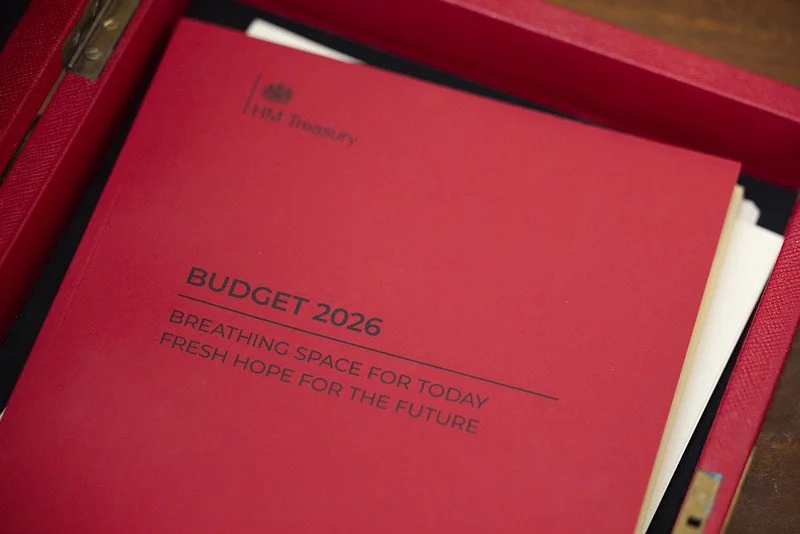
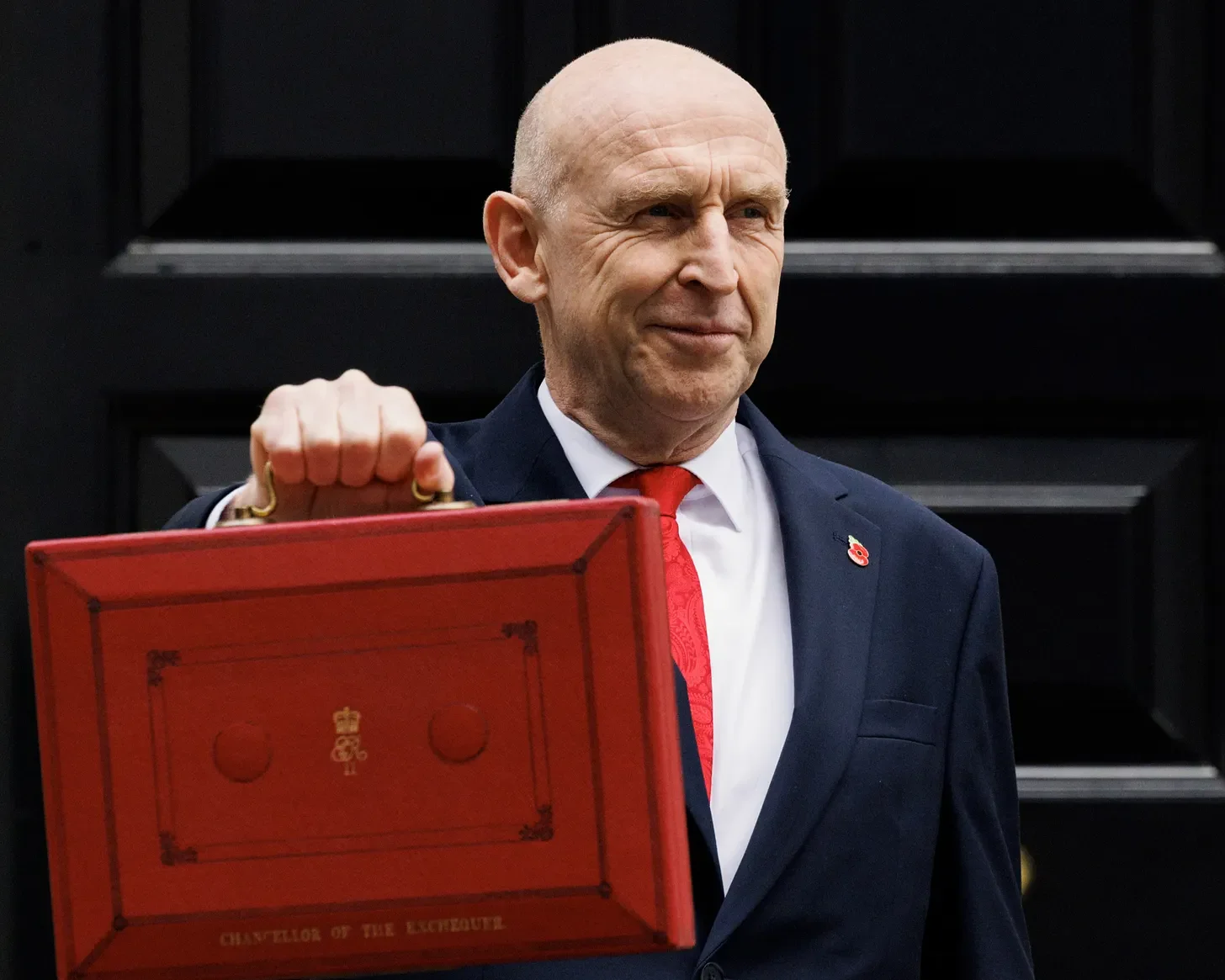
After weeks of speculation, on Wednesday the Budget was finally delivered. You’ll have to come to one of our events for my lukewarm takes on its impact on farms, private schools, social care, or whatever comes next – but given weeks of campaigning, it would be remiss if I didn’t round it off with our thoughts on Capital Gains Tax (CGT) and Business Asset Disposal Relief (BADR).

It was a busy few weeks for us. Topping out at over 1,000 responses, the letter that many of you signed and shared made headlines across the media, while behind the scenes we were connecting concerned founders with journalists hungry for to hear from those at the coalface.

Having spoken with lots of entrepreneurs following post-Budget, the general sentiment seems to be: could have been worse, should have been better. Whether you think it was necessary or not, given that the burden of taxation has increased for pretty much everyone across Britain, a collective “phew!” is understandable. It wasn’t just entrepreneurs though. According to Patrick Maguire (Paywall – The Times), in the focus groups of Tory-Labour switchers Downing Street conducted on Wednesday night the word that recurred was ‘relief’.

As I wrote in reaction: “Entrepreneurs will be somewhat relieved that the Capital Gains Tax (CGT) rate wasn’t hiked as high as many feared. Similarly, there were rumours that Business Asset Disposal Relief (BADR) would be scrapped, so the worst-case scenario was avoided. Nevertheless, BADR will still be ratcheted up over the coming years, meaning Britain will become an increasingly unattractive place to both start and exit a company.

We know that many entrepreneurs are already looking to move their business from the UK – and this only makes that move more compelling. This is why 1,250 of the UK’s most ambitious entrepreneurs signed our letter against such changes.

It’s not just entrepreneurs who will be impacted. Many fledgling startups give employees stock options or shares as part of their compensation package as they cannot compete with the higher salaries offered by established big corporates. Today’s changes will reduce this incentive, making it even harder for startups to attract the talent they need to scale, while denying workers the chance to own a piece of Britain’s growing companies.

Instead of hiking BADR, the Treasury should have retargeted the relief at founders who are scaling businesses, and have made it unlimited to incentivise the world’s best entrepreneurs to start, scale and sell multiple businesses in Britain.”

Our letter – alongside others, of course – may have spooked the Government from going further on changes to BADR and CGT. I write ‘may’ because the scrapping of BADR and hikes to CGT were in part trailed in order to manage expectations. However, as has been the case for decades now, worst-case scenarios are also floated to test the public reaction. Politicians only know the limits if we’re vocal enough. This is clearly a suboptimal way to make policy – after all, there are plenty of vocal groups that the government shouldn’t listen to – but that only makes it more critical for us to play the game of politics when there is so much at stake.

In her speech, the Chancellor specifically said she was committed to creating a positive environment for entrepreneurship and wants to work with entrepreneurs to do this. This was a direct nod to all of you who’ve made so much noise over the last few weeks.

The hard work starts now. We need to build out the evidence base so we can make a proactive case to the Government, the opposition and civil servants on tax and growth. When it comes down to it, we all want the same thing: entrepreneurs making us all richer – both through the stuff they build and people they employ, but also through the taxes they pay as they scale and exit.

And while the Office for Budget Responsibility’s growth forecasts are depressing – remember, they don’t take into account important forthcoming policy changes such as planning reform and other areas we have been working on for over the last decade. As Rodolfo Rosini, entrepreneur and Adviser to The Entrepreneurs Network, argues: “Britain is a $2.3 trillion opportunity.”

If you want to help us make the world a better place, drop me an email now with details of how you want to lend a hand. We’re a small organisation, but as the last few weeks have shown, when we unite we can make ourselves heard when it really matters.

It’s not just CGT, of course. My colleagues Eamonn Ives and Anastasia Bektimirova responded on Employers’ National Insurance Contributions, Business Rates reform and R&D spending, and there will be plenty more to unpack over the coming weeks. If you want to join me for more Budget chat. I’ll be chairing an event at Home Grown on Tuesday morning (request a place here), or you can scroll down for a smaller roundtable we’re hosting with Evelyn Partners.

Paper Cut
Anastasia has teamed up with Alex Chalmers of Air Street Capital to write a cutting article on how to (not) do policy. Death by a thousand roundtables is a must-read taxonomy for anyone involved in trying to change policy. Anastasia would love to hear any feedback you have – as long as you don’t want to convene a conversation with stakeholders.

Invest in Women
We’re partnering with the Invest in Women taskforce on a report focusing on angel investment. While we tried to get to as many parts of the UK as possible in our recent roundtables, we appreciate that we couldn’t hit every postcode. That’s why we’re opening up the opportunity for you to feed into the report. You’ll have to be quick though – the Call for Evidence will close on Saturday 9 November. Please feel free to share among your networks or on social media. Everything you need to know is here.

Be Our Host
We’re busy planning a lot more breakfasts and dinners with Britain’s leading entrepreneurs – often featuring a senior politician. We have a number of organisations who regularly host us, but we’re looking for three more to join us as hosts for 2025. Get in touch if you would like to discuss how this works.

Autumn Budget 2024 – Our snap reaction

Today, the Chancellor Rachel Reeves delivered the Autumn Budget. In short, it entails more spending, more tax rises and more borrowing. Growth forecasts from the Office for Budget Responsibility, meanwhile, are anaemic. We issued the snap reaction to the Budget not long after she finished addressing the Commons, and we’ll be digging into things in more depth later in the week — so stay tuned by subscribing to our Friday newsletter if you aren’t already.


Capital Gains Tax and Business Asset Disposal Relief (BADR)

Philip Salter, Founder of The Entrepreneurs Network, said:

“Entrepreneurs will be somewhat relieved that the Capital Gains Tax (CGT) rate wasn’t hiked as high as many feared. Similarly, there were rumours that Business Asset Disposal Relief (BADR) would be scrapped, so the worst-case scenario was avoided. Nevertheless, BADR will still be ratcheted up over the coming years, meaning Britain will become an increasingly unattractive place to both start and exit a company.

We know that many entrepreneurs are already looking to move their business from the UK – and this only makes that move more compelling. This is why 1,250 of the UK’s most ambitious entrepreneurs signed our letter against such changes.

It’s not just entrepreneurs who will be impacted. Many fledgling startups give employees stock options or shares as part of their compensation package as they cannot compete with the higher salaries offered by established big corporates. Today’s changes will reduce this incentive, making it even harder for startups to attract the talent they need to scale, while denying workers the chance to own a piece of Britain’s growing companies.

Instead of hiking BADR, the Treasury should have retargeted the relief at founders who are scaling businesses, and have made it unlimited to incentivise the world’s best entrepreneurs to start, scale and sell multiple businesses in Britain.”

Employer National Insurance Contributions

Eamonn Ives, Research Director of The Entrepreneurs Network, said:

“In a move that is expected to raise around £25 billion a year, employer National Insurance Contributions will increase by 1.2 percentage points to a rate of 15% and the threshold at which they start paying it was cut from £9,100 to £5,000. 

The Chancellor might insist that this is not a tax on working people, but while it is true that it is employers who will bear the ‘legal incidence’ of the tax rise, economic evidence makes clear that increases like this are ultimately factored into lower wages for workers.

In short, and coupled with other measures such as the rise in the National Minimum Wage, it will become more expensive to take on staff, especially for those entrepreneurs employing people at the lower end of the earnings ladder. We shouldn’t be surprised if firms rethink hiring plans or water down pay rises.”   

Business Rates reform

Eamonn Ives, Research Director of The Entrepreneurs Network, said:

“The promise to transform Business Rates will be watched closely by Britain’s entrepreneurs, who recognise them as one of the biggest impediments to growth. Our current system punishes those who improve their premises and the infrequency of revaluations means that rates can become out of step with market conditions. 

Yet some of the measures announced today – such as a freeze for the small business multiplier and the introduction of a specific sectoral multiplier – only add further complexity to Business Rates. A proper overhaul, as we have called for in the past, would instead see the underlying land values taxed, and we encourage the Government to be bold as it develops its thinking on this policy.”

R&D spending

Anastasia Bektimirova, Researcher at The Entrepreneurs Network, said:

“At a time when the public finances are so stretched, the protection of funding for R&D spending and tax reliefs should be welcomed by Britain’s innovators. Only by bringing forward more innovation can we grow the economy in the long run and develop solutions to improving public services.

What starts as basic research can then spin out from universities as innovative companies. It is very important to protect that, so the £6.1 billion for core research is particularly positive, especially with little fiscal room on spending.

It would be a mistake to prematurely interpret the silence on any major AI-related announcements as a lack of ambition. The Budget has made it clear that the AI Opportunities Action Plan will be published soon, which will set out the Government’s plans – and should match the ambitions of the sector.”

On the new Life Sciences Innovative Manufacturing Fund:

“The new Life Sciences Innovative Manufacturing Fund is a welcome intervention into fundamentals that will help keep more life sciences innovation in the UK as it is scaling. Limited manufacturing infrastructure is often cited as a critical factor prompting innovators to relocate.”

On the new R&D Missions Programme:

“A new R&D Missions Programme shows that, as expected, the five missions will be an important framing for innovators trying to make a compelling case when engaging with the Government. It will be particularly interesting to see the details of how the growth mission will be framed here, as much of R&D work naturally fits it already.”

A Thousand Founders Fume

Over the last few weeks we’ve been stuck on repeat – making the case again and again for why the Chancellor must think twice about the impact that rumoured changes to CGT and BADR would have upon entrepreneurs and their employees (who are all too often overlooked in these debates). Over 1,200 entrepreneurs have now signed this letter. Here are the first 1,000!

The letter continues to get lots of press coverage – including in City A.M. this week – and we’re busy connecting entrepreneurs with journalists. One thing’s for sure: the Government can’t say that they weren’t warned.

I’m sure we’ll have more to say on this topic after the Budget, and a lot more work to do on this in the coming months and years, but today I want to write about the lessons from the last few weeks – not so much for the Government, but for us.

First, we need to be more vocal in explaining the policies that matter most to entrepreneurs. There is a lot that unites Britain’s most ambitious entrepreneurs and we need to be proactively making the case for what these things are.

Second, we need more evidence for why these things are important. For example, I’ve been pitching an idea for years to survey the foreign-born founders of Britain’s fastest-growing startups right as they begin their businesses. Foreign-born founders tell us later on that Entrepreneurs’ Relief was a critical issue when they started their business in the UK, but having data from those who are still just starting out would be invaluable.

Third, we shouldn’t go overboard on the doom mongering. Britain is still the best place in Europe to start and grow a business. We are rightly respected around the world for our fairness and the rule of law. We have an incredible history of innovation that hasn’t stopped – just consider Demis Hassabis’ Nobel Prize for Chemistry for his company’s revolutionary work on proteins.

To be clear, we agree with Matt Clifford when he says that the UK could go back to being pretty much the richest country in the world per capita – at least as rich as the US. Whether this Budget is a step towards that dream, or one away from it, we’ll keep working to make it a reality.

Taper Away
This week we invited Shivani H. Menon of Onward to contribute to our weekly Substack Three Big Ideas series. As we’ve explained in the past, Britain’s VAT registration threshold incentivises small businesses to stay small. This threshold instantly burdens any business that only just breaches it with a significant marginal cost. As a result, we see a bunching of businesses that turn over slightly less than the threshold, as many deliberately stop working when they approach it.

To get around this problem, Shivani suggests VAT is tapered: “The threshold could be reduced to £30,000 at a 1% VAT rate, increasing gradually until it reaches a rate of 20% for businesses turning over £140,000 or more.” It’s not a new idea, but one that deserves serious consideration. As I understand it, it would be technically feasible for HMRC to do this and it would be a good compromise between economists and the small business lobby groups.

Rights Ideas?
There is huge concern about the Employment Rights Bill. By the Government’s own analysis, it would cost businesses a whopping £5 billion a year to implement, and the FSB has come out fighting, calling the legislation a “rushed job, clumsy, chaotic and poorly planned.”

Now you’ll have the chance to have your say by submitting your views in writing to the House of Commons Public Bill Committee, which is going to consider this Bill. Naturally, we’re planning to respond, but our policymakers will be served all the better by also hearing directly from those who it will impact most. Find out more here.

Our Newest Adviser
Blick Rothenberg has joined us as a Corporate Partner. Malli Kini, who leads their entrepreneurs practice will become our latest Adviser.

Before joining Blick Rothenberg as a Partner in March 2024, Malli spent over 15 years in the Big 4 (PwC and EY) within their London private client teams. Prior to that, he had an entirely different career as an orthopaedic surgeon in the NHS which he says was much like carpentry – lots of hammers, screws and nails!
Find out how you or your company could join us here.

Dear Chancellor – The First One-Thousand

On Friday 11 October, we issued an open letter to the Chancellor, following reports that changes to Capital Gains Tax will be enacted at the forthcoming Autumn Budget. Below are the names of the first 1,000 entrepreneurs and business owners to sign it. You can still read the letter, and add your name, by clicking here.


Philip Salter – Founder, The Entrepreneurs Network; Martin Frost CBE – Co-Founder, CMR Surgical; Giles Andrews OBE – Co-Founder, Zopa; Rishi Khosla – Co-Founder & CEO, OakNorth Bank; Oana Jinga – Co-Founder, Dexory; Richard Davies – CEO, Allica Bank; Stephen Phillips – Founder, Zappi; Saasha Celestial-One – Co-Founder, Olio; Justin Basini – Co-Founder & CEO, The ClearScore Group; Emilie Vanpoperinghe – Co-Founder & CEO, Oddbox; Victor Riparbelli Rasmussen – Co-Founder & CEO, Synthesia; Matthew Hare OBE – Founder & CEO, Zzoomm; Adrian Negoita – Co-Founder & CTO, Dexory; Nazim Valimahomed – Founder & CPO, Kroo Bank; Miguel Martinez – Co-Founder, Signal AI; David Benigson – Founder & CEO, Signal AI; Aleksandra Wlodek – CEO, Constructive Bio; Jordan Brompton – Founder, myenergi; Christoph Rieche – Co-Founder & CEO, iwoca; Robin Tombs – Co-Founder & CEO, Yoti; Tim Chong – Co-Founder & CEO, Yonder; Thesokkumar Jivajirajah – Co-Founder, Yonder; David Jarvis – Founder & CEO, Griffin Bank; Jamie Beaumont – Founder, Playter; Oliver Tonkin – Co-Founder & CEO, BCB Group; Brad Goodall – Founder & CEO, Banked; Alexander Mifsud – Co-Founder & CEO, Weavr.io; Benjamina Bollag – Founder & CEO, Uncommon Bio; Jeff Lynn – Co-Founder, Republic Europe; Sara Murray OBE – Founder & CEO, Big Technologies; Nicholas New – Founder & CEO, Optalysys; Eddie Harrison – Co-Founder, Navro; Melissa Morris – Founder & CEO, Lantum; James Dean – Founder & CEO, Sensat; Nigel Purves – Co-Founder & CEO, Wayhome; Darren Jobling – Co-Founder & CEO, ZeroLight; John Goodall – Founder & CEO, Landbay; Richard Mabey – Founder & CEO, Juro; Bundeep Singh Rangar – Founder & President, PremFina; Phelim Bradley – Co-Founder & CEO, Prolific; Simon Jones – Founder, Baanx; Robert Griffin – Co-Founder & CEO, MIRACL; Whitney Hawkings – Founder & CEO, FLOWERBX; Andrew Yates – Co-Founder & CEO, FullCircl; Justin Fitzpatrick – Co-Founder, FullCircl; Michael Nabarro – Co-Founder & CEO, Spektrix; Ali Afshar – Co-Founder & CEO, Mytos; Matthew Dreaper – Co-Founder, Oxford Space Systems; Charlotte Guzzo – Founder & COO, Sano Genetics; Will Stewart – Co-Founder & CEO, Northflank; Iain Griffin – Founder & CEO, Seatfrog; Carsten Schaltz – Co-Founder, Stotles; JP Doumeng – Co-Founder & CEO, Napo Pet Insurance; Steve Coulson – Founder & CEO, Kitt Technology; Will Goodwin – Co-Founder, Tumelo; Ross Harper – CEO, Limbic; Dev Amratia – Co-Founder & CEO, nPlan; Alan Mosca – Co-Founder & CTO, nPlan; Chris McCullough – Co-Founder & CEO, Rota Geek; Asi Sharabi – Co-Founder & CEO, Wonderbly; Aldo Monteforte – Founder & CEO, The Floow; Anton Derlyatka – Co-Founder & CEO, Sweatcoin; Anthony Eskinazi – Founder & CEO, JustPark; Chris Edson – Co-Founder & CEO, Second Nature; Nick Jones – Co-Founder & CEO, Zumo; Louise Birritteri – Founder & CEO, Pikl; Alex Depledge MBE – Founder & CEO, Resi; Richard Moross – Founder & CEO, moo.com; George Graham – Co-Founder & CEO, Wolf & Badger; Deepak Ravindran – Co-Founder, Oddbox; Ashutosh Bhatt – Founder & CEO, Pillar; Laurence Kemball-Cook – Founder & CEO, Pavegen; Sarah McVittie – Co-Founder, Dressipi; Naimish Gohil – Founder & CEO, Satchel; Tara Chandra – Co-Founder, Here We Flo; Timothy Brownstone – Founder & CEO, KYMIRA; Anna Maxwell – Founder & CEO, Maxwellia; David Greenberg – Founder, Eave; Sabrina Del Prete – Founder & CEO, Kore Labs; Tim Antos – Founder & CEO, Kokoon Technology; Ann Kramer – Founder & CEO, The Electrospinning Company; Mats Stigzelius – Founder & Chair, Takumi; Jack Hylands – Founder, FourthRev; Huw Davies – Co-Founder & CEO, Ozone API; Freddie Green – Co-Founder, Minimum; Jonathan Summerfield – Founder & CEO, Xiatech; Liam Chennells – Co-Founder & CEO, Detected; David Newton – Founder & COO, Akrivia Health; Amon Ghaiumy – Co-Founder & CEO, Ophelos; Nicola Piercy – Co-Founder & Director, Stripe & Stare; Katie Lopes – Founder, Stripe & Stare; Mark McDermott – Co-Founder & CEO, ScreenCloud; Ellie Webb – Founder & CEO, Caleño Drinks; Merilee Karr – Founder & CEO, UnderTheDoormat Group; Kelly McCabe – Founder, Perci Health; Alexander Lempka – Co-Founder & CEO, Connect Earth; Jon Walsh – Co-Founder & CEO, Bio&Me; Will Mason – Founder & CEO, Infact Systems; Nick Perrett – Founder & CEO, Prosper; Pip Murray – Founder & CEO, Pip & Nut; Toby Austin – Founder & CEO, Beauhurst; Johannes Solzbach – Co-Founder & CEO, Clustermarket; Zoe Watkiss – Founder, SunGod; Laura Towart – Founder & CEO, My Personal Therapeutics; Imogen Wethered – Founder, Qudini; Eliot Brooks – Founder & CEO, CocoonCarbon; Fraser Smeaton – Founder & CEO, MorphCostumes; Tamzin Lent – Founder & CEO, Where You At; Llewellyn Kinch – Founder & CEO, Switchd; Anthony Rose – Co-Founder & CEO, SeedLegals; Rikke Rosenlund – CEO, BorrowMyDoggy; Lyz Swanton – Co-Founder & COO, Qured; Alex Templeton – Co-Founder & CEO, Qured; Karl Deady – Founder, Cinos; Dr Bruce Bratley – Founder & CEO, First Mile; Lisa Robinson – Founder & CEO, companiions; Stephen Crosher – Co-Founder & CEO, RheEnergise; Graham Cook – Co-Founder & CFO, RheEnergise; Duncan Cheatle – Founder & CEO, Learn Amp; Constantine Karampatsos – Founder & CEO, Good Life Sorted; Jing Ouyang – Co-Founder, Patchwork Health; Tim Maughan – Founder, Add to Event; Wayne Lloyd – Founder & CEO, Smarter Contracts; Brian Harrison – Co-Founder & CEO, Swoon Editions; Raj Meghani – Co-Founder, BLOCKAPT; Varun Bhanot – Co-Founder & CEO, MAGIC AI; Raphael Chow – Founder, WeVat; Lyndsey Simpson – Founder & CEO, 55/Redefined; Pip Wilson – Co-Founder & CEO, Amicable; Hon Lung Keith Tsui – Co-Founder & CEO, Medwise AI; Matthew McNeill Love – Founder, Thursday Dating; Matt Jonns – Founder, Founder + Lightning; Simon Banks – Founder & Director, CSL Group; Botty Dimanov – Co-Founder & CEO, Tenyks; Maleakhi Wijaya – Co-Founder & CEO, Tenyks; David Boon – Founder & CEO, Dijuno; Claire Harrison – Founder & CEO, GetSetGo Group; Ben Prouty – Co-Founder & CEO, PonchoPay; Gabriele Musella – Co-Founder & CEO, Coinrule; Oleg Giberstein – Co-Founder & COO, Coinrule; Sarah Bolt – Co-Founder & CEO, Humankind Ventures; Terry Canning – Co-Founder & CEO, CattleEye; Beth Michael – Co-Founder, Streeva; Johnny Paterson – Co-Founder, Dr.PAWPAW; Ioannis Agiomyrgiannakis – Founder & CEO, Altered; Pauline Paterson – Founder & CEO, Dr.PAWPAW; Caroline Goodman – Founder & CEO, Institutional Protection Services; Amanda Thomson – Founder & CEO, Thomson & Scott; Benedikt von Thüngen – Founder, Sanome; Harriet Hastings – Founder, Biscuiteers; Dr Diana Hodgins MBE – Founder & CEO, Dynamic Metrics; Charlotte Pearce – Founder & CEO, Inkpact; Sahil Sethi – Co-Founder & CEO, Maji; Gary Jones – Co-Founder & CEO, MediMusic; Rupert Schneider – Founder & CEO, Gardenia Technologies; Dominic Hall – Co-Founder & CTO, Biographica; Emma Beresford – Founder & CEO, International Energy Products; Anam Rahman – Founder & CEO, Kavida AI; Jinesh Vohra – Founder & CEO, Sprive; Glen Calvert – Co-Founder & CEO, Kaizan; Lucinda O'Connor – Founder & CEO, Clothes Doctor; Katerina Pljaskovova – Founder & CEO, Fair HQ; Daniel Howitt – Co-Founder & CEO, Recap; Richard Turnbull – Founder & CTO, Officely; Tina Warner-Keogh – Co-Founder & Co-CEO, Warner’s Distillery; Matt Milligan – Co-Founder, Uhubs; Josie Baum – Co-Founder, ARC Club; Daniel Gill – Founder & CEO, Augnet; Erika Brodnock MBE – Co-Founder & CEO, Kinhub; Jacob Herandi – Co-Founder & COO, Kinhub; Lucy Read – Founder, LA Personal Products; Gus Tugendhat – Founder, Tussell; Jay Orlean-Taub – Co-Founder & CEO, Sipgood; Rushina Shah – Founder, Insane Grain; Neil Taub – Co-Founder, ZoomDoc; Jenny James – Co-Founder, Findr; Cindy van Niekerk – Founder & CEO, Umazi; Irene McAleese – Co-Founder & CSO, See.Sense; Tariq Attia – CEO, IW Capital; Sarah Montgomery – Co-Founder & CEO, Infyos; Richard Bertin – Founder & CEO, All in Place Group; Lara Mott – Co-Founder & CEO, ImproveWell; Areeb Siddiqui – Founder & CEO, Kestrl; Dr Cristian Gherhes – Founder & CEO, Lexverify; Dr Fozia Saleem – CEO, Magnitude Biosciences; Wai Foong Ng – Founder, Matchable; Aaron Thomas – Founder, Yum Bug; Janthana Kaenprakhamroy – Founder & CEO, Tapoly; Jonny Philp – Co-Founder & Director, Nursem Skincare; Kate Jillings – Co-Founder, ToucanTech; Dr Paul Reynolds – Founder & CEO, FSD Active; Ann O'Neill – Co-Founder & CEO, Adora Digital Health; Tom Barltrop – Co-Founder, SuperFi; Chris Jackson – Co-Founder, OptAxe; Nadia Simonds – Founder, Lune & Wild; Philip Callow – Founder & CEO, Rosetta Risk Management; Alex Fisher – CEO, Saturn Bioponics; Leo Kellgren-Parker – Founder & CEO, LIVR; Mark Hindmarsh – Co-Founder, 2B Enterprising; Sarah Dowzell – Co-Founder, Natural HR; Jason Dowzell – Founder & CEO, Natural HR; Ben Maughan – Co-Founder, Add to Event; Jason Mohr – Founder & CEO, LoveJunk; Tamsin Dewhurst – Founder & CEO, Uptree; Seb Wallace – Co-Founder, Further; Olivier Scaramucci – Founder & CEO, Boutique Brands; Rachael Grimaldi – Co-Founder & CEO, CardMedic; Alistair Sergeant – Founder & CEO, Niico; Anant Prakash – Founder & CEO, Odysse; Edward Hall – Founder & CEO, Qualification Check; Alex Freeman – Co-Founder & CEO, Stance Fitness; Steve Monk – Founder, Good Guys Bakehouse; Oliver Noakes – Founder, Boulders; Sam Peters – Co-Founder & CEO, Vyde; Akber Tahir – Founder & CEO, Pharmovo AI; Priya Guliani – Co-Founder & CEO, EarthID; Alla Ouvarova – Founder & CEO, Two Chicks; Chloe Sweden – Founder & CEO, Lowr; Dino Bertolis – Founder, Breez Technology; Hugh Von Andree – Founder, weServed; Rowan Jackson – Co-Founder, Promising Outcomes; Barbara Gottardi – Co-Founder & CEO, Finbridge Global; Andrew Philipson – Founder, JOBBA; Edwin Bartlett – Founder, Kostüme Apparel; Betty Bonnardel-Azzarelli MBE – Founder & CEO, Farmer Charlie; Mark Taylor – Co-Founder, BizNest; Gary Hunter – Founder & CEO, Redu Group; Lyall Cresswell – Founder & CEO, Transport Exchange Group; Lucas Johnston – Founder, Umber; Kuntal Fisher – Founder & CEO, FIECON; Paddy Willis – Co-Founder, Mission Ventures; Edward Bussey – CEO, Oxford Science Enterprises; Andrew Pullman – CEO, People Risk Solutions; David Parker – CEO, Polymath Consulting; Tom O’Hagan – CEO, PXC; Charles Skinner – CEO, Restore; James Mallinson – CEO, Servo Private Wealth; Stuart Green – CEO, SetldPay; Brian Kelly – CEO, Strandcourt; Selina Donald – CEO, The Bulb; Emma Mirrington – CEO, The Talent Labs; Aaron Ross – CEO, Vix Technology; Georgi Rollings – Co-CEO, Starfish Accounting; Saudenh Doctzan – Co-Director, May Sum Restaurant Nottingham; Kerry Burn – Co-Founder & CEO, 848 Group; Ben Putley – Co-Founder & CEO, Alkimi; Dermot O’Grady – Co-Founder & CEO, Ardent Tide; Hannes Verschueren – Co-Founder & CEO, atomic; Ken Hendricks – Co-Founder & CEO, Basepilot; Ulises Chesini – Co-Founder & CEO, BITGENIA; Dominic Ponniah – Co-Founder & CEO, Cleanology; Frederick Mark Tughan – Co-Founder & CEO, Comic Enterprises; Lorna MacLean – Co-Founder & CEO, Demetria; Charles Groome – Co-Founder & CEO, Everna; Mat Westergreen-Thorne – Co-Founder & CEO, Grantify; Meral Griffith – Co-Founder & CEO, Hello Nova; Rupert Patrick – Co-Founder & CEO, James Eadie; Adam Kene – Co-Founder & CEO, Kene Partners; Emily Gill – Co-Founder & CEO, LEVRA; Sam Soares – Co-Founder & CEO, MPWR-365; David Hunter – Co-Founder & CEO, Orbital Cards; Joseph Burns – Co-Founder & CEO, Reformed IT; Natasha Guerra – Co-Founder & CEO, Runway East; Paddy Stobbs – Co-Founder & CEO, Stackfix; Christian Edwards – Co-Founder & CEO, This is Tommy; Adam Thomas Orme – Co-Founder & CEO, Trinity Space Technologies; Ami Daniel – Co-Founder & CEO, Windward; Carlo Keenan Ross – Co-Founder & COO, Bridge; Jake Wells – Co-Founder & COO, Meshed; Tom Love – Co-Founder & Director, Trinity Space Technologies; Marc Swarbrick – Co-Founder, Abstrakt Creative; Alex Street – Co-Founder, Alpha Base; Jill Willis – Co-Founder, Attract & Engage; David Turney – Co-Founder, Avery Law; Tom Griffiths – Co-Founder, BitCompli; Jag Singh – Co-Founder, Bricktrade; Darpan Jain – Co-Founder, CleverSpend; Piers Mummery – Co-Founder, Crunch Technologies International; Robert Craig – Co-Founder, Cube Capital; Clara Latham – Co-Founder, Deeply Foods; Harrison Thomas – Co-Founder, Elephants; Marco Botticelli – Co-Founder, embryōnic studio; Rune Sovndahl – Co-Founder, Fantastic Services; Dec McLaughlin – Co-Founder, Foras; Hetesh Pal – Co-Founder, GiroStor; Sunjit Saroya – Co-Founder, GiroStor; Sophie Eden – Co-Founder, Gordon & Eden; Sam Waterfall – Co-Founder, Greenwood Foods; Carla Petra Ottersen – Co-Founder, Hot Shoe Media; Edward Wijnen – Co-Founder, Intuicon.ai; Paul Billingham – Co-Founder, Knight Corporate Finance; Marcus Love – Co-Founder, Love Ventures; Ash Dey – Co-Founder, Lyfe; Wil Benton – Co-Founder, Metta; Will Taylor – Co-Founder, Old House Labs; Tim Simpson – Co-Founder, Pinchful; Bridie Cunningham – Co-Founder, Portman Scott; Georgijus Kocegarovas – Co-Founder, PSP Lab; Robert Irvin – Co-Founder, RMS Partners; Willem Wellinghoff – Co-Founder, Shieldpay; Ruth Simmonds – Co-Founder, TACaccess; Colin Weston – Co-Founder, TidyChoice; Andrew Dougan – Co-Founder, Viital; Guy Pengelley – Co-Founder, Viresco Group; Dr Nikhit Anilbhai – Co-Founder, Your Cue; Sonakshi Senthil – Co-Founder, Your Cue; Charlotte Pegg – Co-Founder, ZEN8; Hao Chit Fu – Director, Bluetoner; Samuel Davies – Director, Cowgills; Steven Brough – Director, Dramanon; Sarah-Jane Butler – Director, Farringford Legal; Jeffrey Bartlett – Director, Nurture Ventures; Matt Dangell – Director, Rise Group; Daniel Merrington – Director, SubWorx; Rudy Parengal – Founder & CEO, Abjak; James Gozney – Founder & CEO, Aslan; Julian Daniel – Founder & CEO, BSB Construction; Spencer Gallagher – Founder & CEO, Cactus; Alan Smith – Founder & CEO, Capital Asset Management; Becks Armstrong – Founder & CEO, Clarity; Ahana Banerjee – Founder & CEO, Clear; Suzy Ferreira – Founder & CEO, Dinie; Kevin Withane – Founder & CEO, Diversity X; Emma O'Brien – Founder & CEO, Embridge Consulting; Emma Shipley – Founder & CEO, Emma J Shipley; Matt Norbury – Founder & CEO, Epoints Rewards; Gary Mead – Founder & CEO, euroloos; Simon Francis – Founder & CEO, Flock Associates; Grace Castillo – Founder & CEO, Gifftid; Lucy Johnson – Founder & CEO, Green Salon; Carlo Centonze – Founder & CEO, HeiQ; Chris Twigg – Founder & CEO, Inner Circle Consulting; Vijay Muralidharan – Founder & CEO, Insight Delivered; Conlan Ainsworth – Founder & CEO, iReceet; Simon Barry – Founder & CEO, Knowbotics AI; Richard Oastler – Founder & CEO, KPI Tree; Rob Reeve – Founder & CEO, LexTego; Claire Mason – Founder & CEO, Man Bites Dog; Johnny Manning – Founder & CEO, Manning's Tutors; Nimrita Singh – Founder & CEO, Marketing Essentials Lab; Diane Banks – Founder & CEO, Northbank Talent Management; Jon Dobinson – Founder & CEO, other group; Serena Fordham – Founder & CEO, ProspHER; Rosie Hewat – Founder & CEO, Rosie’s People; Flynn Robinson – Founder & CEO, scOS; Sean Ramsden MBE – Founder & CEO, Sean Ramsden International; Dom Hawes – Founder & CEO, Selbey Anderson; Tom Perry – Founder & CEO, Sherpa; Zac Hancox – Founder & CEO, StraightIn; Zoe Robson – Founder & CEO, Strateva Group; Cathy Moseley – Founder & CEO, Supernatural Food; Amanda Coulson – Founder & CEO, SVC Solutions; Alan Wing-King – Founder & CEO, Syntegra Group; Simon Fordham – Founder & CEO, The Institute of Business Support Professionals; Leonard Evans – Founder & CEO, The Profs; Gregory Mccallum – Founder & CEO, ThinkWork; Shain Khoja – Founder & CEO, Thriving Ai; Amy Hopper – Founder & CEO, TOA Group; Angela Fagan – Founder & CEO, Trust My Pet Sitter International; Ollie Scott – Founder & CEO, UNKNOWN; Victoria Johnson – Founder & CEO, VetCT; Amanda Nicholson – Founder & Director, Nicholson Jones Sutton Solicitors; Pippa Watmough – Founder & Director, PE Consulting; Tomasz Letniowski – Founder & Director, Traductio; Lauren Swarbrick – Founder & Managing Director, Abstrakt Creative; Mike Spicer – Founder & Managing Director, PolicyDepartment; Sean Cook – Founder & Managing Director, Urban & Regional; Tom Bohills – Founder & Principal, Founders Law; David Horne – Founder, Add then Multiply; Lucy Walker – Founder, AM Insights; Ben Gwatkin – Founder, Aprez; Kerrie Dorman – Founder, Association of Business Mentors; Robert Hurst – Founder, Bengeho; Dr Jo Carlile – Founder, Carlile Psychology; Dima Kats – Founder, Clear Junction; Jodie Cook – Founder, Coachvox; Dinesh Dhamija – Founder, Copper Beech Group; Harry Cruickshank – Founder, Cruickshank Associates; Michael Blakeley – Founder, Entrepreneurs Collective; Alina Eden Cornea – Founder, eZpZe; Carla Forder – Founder, Fandango Digital; Ed Hill – Founder, Fiddlie Technology; Jenna Dominique – Founder, First Class Comms; Illai Gescheit – Founder, Gescheit & Partners; Simon Bloomfield – Founder, Glenmill Partners; Harriet Green – Founder, HSG Advisory & Basis Capital; Koroush de Werra-Milani – Founder, Ibex Recruitment; Adrian Parsons – Founder, Integrity Software Group; Thomas Borwick – Founder, Kanto Systems; Julian Dowling – Founder, Launch Club Capital; Mark Kingsley-Williams – Founder, LawPanel; Olaf Hofmann – Founder, Maivin Consulting; Peter Cartwright – Founder, Momentum Taxation and Accountancy; Paul Gillings – Founder, Monatrix; Nathalie Oestmann – Founder, Notting Ventures; Sam Tidswell-Norrish – Founder, OPUS; Jessica Wilkinson – Founder, Petal & Co.; Steven Matthew Hyde – Founder, Push Group; Cain Ullah – Founder, Red Badger; Howard Mearsw – Founder, Rise Ventures; Ben Beavers – Founder, SmartyPlants; Hasan Toprakkaya – Founder, Sociality.io; Anton Kooll – Founder, StartUp to ScaleUP Club; Shelley Stuart – Founder, Stuart Consulting; Jonathan Rose – Founder, The Story Club; Chrissie Rucker OBE – Founder, The White Company; Lawrence Pammen – Founder, Third Square; Liza Levy – Founder, Unravel Health; Caroline Marshall – Founder, Upsource Support; Kelly Sinclair – Founder, Vero Tech Sales; Thomas Green – Founder, Verticode; Darren Mercer – Founder, We Clear Junk; Stephen Hoffman – Founding Director, Stephen Hoffman Consulting; Roxane Sanguinetti – Founding Partner, Alma Angels; Alison Jackson – Group Managing Director, Nineteen Group; Mark Hardman – Managing Director, Hardman Associates; Hayden Jones – Managing Director, Merchant Marketing Group; Alex Fink – Partner, Empirical Ventures; Roderick G Banner – CEO, 3LA.com; Rasmus Bech – CEO, Airfinity; Chris Wigley – CEO, Aneira Health; Romanie Thomas – CEO, Chatsie; Daniel Van Binsbergen – CEO, DraftPilot; Alessandro Mele – CEO, EthicalFin; Roberta MacDonald – CEO, Exceptional Alien; Charles Hassall – CEO, Falcon Contract Flooring Sales; Kathy Heath – CEO, Healthy Minds Club; Jason Yeomans – CEO, Iglu Tech Group; Karl Griffin – CEO, JammJar; Jeremy Nicholds – CEO, Judopay; Kizito Muokebe – CEO, Kayndrexsphere Group; John Warringon – CEO, Krafty Entertainment; Simon Rand – CEO, Kuul Tech; Andy Macdonald – CEO, Lisou; Xavier Bellekens – CEO, Lupovis; Edmund May – CEO, Microsec; Stuart Rex – CEO, Omni Money; Camille Rougie – CEO, Plural AI; James O'Sullivan – CEO, Project One Consulting; Sebastien Goldenberg – CEO, QDEX AI; Ross Linnett – CEO, Recite Me; Venetia Archer – CEO, ruuby; Insiya Jafferjee – CEO, Shellworks; Jamie McNaught – CEO, Solidi Crypto Currency Exchange; George Lewin-Smith – CEO, Testudo; Thomas Pascoe-Williams – CEO, The Heracles Project; James Rix – CEO, The On Street Agency; Ieuan Leigh – CEO, Validient; John McLaren-Stewart – CEO, Venture Risks Group; Lesley Williams – CEO, Welsh Innovation Centre for Enterprise (ICE); Sten Saar – CEO, Zego; William Jones – Chairman, Global Village; Andrew Rogoff – Co-CEO, Resource Guru; Emma Lawrence – Co-CEO, Starfish Accounting; Ben Mercer – Co-Founder & CCO, Personify xP; Adam Ward – Co-Founder & CEO, Airtime Rewards; Jeremy Sosabowski – Co-Founder & CEO, AlgoDyamix; Sherden Timmins – Co-Founder & CEO, Camallergy; Paul de Gruchy Gaudin – Co-Founder & CEO, CareRooms; Vanessa Jacobs – Co-Founder & CEO, Circulo Technology; Josh Harris – Co-Founder & CEO, Doc2; Greg Watts – Co-Founder & CEO, Findr; Richard Hollingsworth – Co-Founder & CEO, Fyxer.ai; Dimitri Masin – Co-Founder & CEO, Gradient Labs; Elliot Street – Co-Founder & CEO, Inovus Medical; Karoli Hindriks – Co-Founder & CEO, Jobbatical; Allan Cannon – Co-Founder & CEO, Krucial; Lucas London – Co-Founder & CEO, Lick; Haydn Rees – Co-Founder & CEO, MacDonald and Rees; Tarig Hilal – Co-Founder & CEO, Moja; Alex Gordon-Furse – Co-Founder & CEO, Playmaker; Ben Corrigan – Co-Founder & COO, London Reporting House; Enrique Munoz de Cote – Co-Founder & CTO, Mutable Tactics; Vytautas Savickas – Co-Founder & CTO, Science Card; Neil Harvie – Co-Founder & Director, Sempre analytics; Mubasher Ahmed – Co-Founder, Hi.ERD; Michael Tinmouth – Co-Founder, ACUA Ocean; Shubh Malde – Co-Founder, Arda; Elliot Metcalfe-Smith – Co-Founder, Caruso Languages; Richard Bell – Co-Founder, Chapter 4; Leonel Richard – Co-Founder, Coszus; Sarah Quist – Co-Founder, Creative Awakenings; Derek Bishop – Co-Founder, Culture Consultancy; Joseph Jones – Co-Founder, CurveBlock; James Burch – Co-Founder, Decently; James Chapman – Co-Founder, Decently; Jeannie Arthur – Co-Founder, Destiny Automate; Dean Hills – Co-Founder, EDR Technology; Dominic Day – Co-Founder, fourfive; Derek Baker – Co-Founder, Fynlo AI; Sam Gordon – Co-Founder, Gordon & Eden; Jen Bayford – Co-Founder, Growth Animals; Aidan Bocci – Co-Founder, Growzz; Nigel Walker – Co-Founder, HeadData; Omer Ozener – Co-Founder, Hello Klean; Edward Poland – Co-Founder, Hire Space; Amy Moring – Co-Founder, Hunter & Gather; Hannah Feldman – Co-Founder, Kidadl; Ian Walker – Co-Founder, LaundryRepublic; Gus Bartholomew – Co-Founder, Leafr; Jojo Regan – Co-Founder, MANORS Golf; Gemma Young – Co-Founder, Moverly; Steve Johnson – Co-Founder, My Secret Stylist; Michael Greenhough – Co-Founder, MyCarbon; James Grant – Co-Founder, MyTutor; Nikki Guest – Co-Founder, NGC Networks Group; Greg Lawton – Co-Founder, Nodes & Links; Edward Page – Co-Founder, Paace; Adam Lewis – Co-Founder, Pillar; Elliot Godfrey – Co-Founder, Pitch London; Bogdan Oprea – Co-Founder, Progressio.ai; Rohan Radhakrishnan – Co-Founder, Quarter Proof; Olivia Grant – Co-Founder, Renue; Percy Stilwell – Co-Founder, Resource Guru; Rebecca Denyer – Co-Founder, Sebring Works; Blair Spowart – Co-Founder, Seedling; Helen Bankole – Co-Founder, Smartshifts; Oliver Fisher – Co-Founder, Springpod; Adelle Martin – Co-Founder, Stronger Together Through Cancer CIC; Dmitry Kazhdan – Co-Founder, Tenyks; Daniel Dyulgerski – Co-Founder, Terrapin; Justin Smith – Co-Founder, The Educational App Store; Richard Mackie – Co-Founder, The Knowledge Room; Lee O’Sullivan – Co-Founder, Think FM solutions; Nick Telson-Sillett – Co-Founder, trumpet; James Pope – Co-Founder, Turner Pope investments; Graeme Everitt – Co-Founder, TVI; Kimeshan Naidoo – Co-Founder, Unibuddy; Lara Mead – Co-Founder, Varley; Joshua Moreton – Co-Founder, Walk Through Walls; Visar Statovci – Co-Founder, Waste Creative; Jonny Plein – Co-Founder, YASO; Andrew Foyle – Co-Founder, Zixty; Andrew Campling – Director, 419 Consulting; Nicola Wilkes – Director, A Noble Gift; Nikki Taylor – Director, Abstrakt Creative; Michael Borrelli – Director, AI & Partners; Ryan Timoney – Director, Ascendeo; John Barber – Director, Barber Consulting; Bradley Rogers – Director, Brad Rogers Group; Robert Bridgman – Director, Bridgman; Carolyn Barraclough – Director, C&C Search; Neil Baldock – Director, Charles David Casson; Christopher Morgan – Director, Club Sport NI; Matt Coates – Director, Coates Electronics; Julie Watling – Director, Communications Solutions UK; Katharine Hayman – Director, Conscious Living Coaches; William O'Brien – Director, Corporate Development; Andrew Charles Ford – Director, CustomerGig; Umran Khan – Director, CVC Components; Pamina Bou – Director, Dream Reality Interactive; Matthew Rogers-Draycott – Director, EEUK; Russell Worricker – Director, Elements Outdoor Living; Jack Pearson – Director, Eltham Court; Rachel Emmett – Director, Emmett PR & Communications; Mark Jones – Director, Ennew Jones; Stamati Lagoudis – Director, Euler Functions; Rufus Salter – Director, Firma Energy; Alex Rosengren – Director, Fortice; Alan Smith – Director, Forward Together; Henry Harvey – Director, Garage Style; Nick Roach – Director, Geminus Innovation; Sofia Docwra – Director, Gloss Enterprises Kent; Wayne Whitford – Director, High Court Writ Recovery; Nash Kumar Sareen – Director, Higher Elevation; Jamie Revell – Director, JR Revell; Scott Jay – Director, Keystones Property; Vikki Lindop – Director, Lindop Developments; Christina Kebbell – Director, LINK Smoke Control; Ollie Hart – Director, Peak Health Coaching; David Reed – Director, Pecs; James Bridge – Director, Poolman Leisure Group; Joe Buckman – Director, Psych Health; Ben Barnaby – Director, Psych Health; Maria Inmaculada Martinez-Rubio – Director, Right Brain Future; Eddie Edmonstone – Director, Rose Project Management; Andrew Stephen Brode – Director, RWS Holdings; Lucy Regan – Director, Sew Essential; Carl Davies – Director, Shuffles Events; Steve Chambers – Director, SJULTRA UK; Lorraine Bridden – Director, South Devon Roasters; Jonathan Barns – Director, Sprint Integration; Peter Stirling – Director, STL Tech; Dhruv Krishnaraj – Director, Student Circus; Mark McCormack – Director, Talking Tables; Craig Hubert – Director, The Hair and Beauty Supermarket; Chris Simmance – Director, The OMG Center; Coralie Watson – Director, Theme Creative; Ian Thomson – Director, Thomson & Scott; Tom O'Brien FRSA – Director, Tom Wrote It; Frankie Clark – Director, Total Line Marking; Andy Coyle – Director, West Peak; Darren Cairns – Director, Your CMO; Malcolm Little – Executive Chairman, Advanced Dynamics; Nick Johnson – Founder & CEO, AppsAnywhere; Melinda Nicci – Founder & CEO, Baby2Body; Adrian Faure – Founder & CEO, BCA; Nick Taylor – Founder & CEO, Building Atlas; Sai Lakshmi – Founder & CEO, Caura; Barney Hussey-Yeo – Founder & CEO, Cleo AI; Ankur Mehta – Founder & CEO, ComplyLens; Tom Thirlwall – Founder & CEO, COPA90; Darren Fell – Founder & CEO, Crunch.co.uk; Moises Barbera Ramos – Founder & CEO, Drill Surgeries; Shalini Khemka CBE – Founder & CEO, E2Exchange; Phil Warren – Founder & CEO, Energy & Technical Services; Jacyn Heavens – Founder & CEO, Epos Now; Joe Lewin – Founder & CEO, Foundy.com; Sam Green – Founder & CEO, Foxe and Fable; Jonny Matthews – Founder & CEO, gocertify; Mirjana Prokic – Founder & CEO, hangAIR Global; Toby Harper – Founder & CEO, Harper James Solicitors; Firaas Rashid – Founder & CEO, Hook Technology; John Ward – Founder & CEO, Hussle; Laura Stembridge – Founder & CEO, InsideOut; Rajeeb Dey MBE – Founder & CEO, Learnerbly; Tobias Crosbie – Founder & CEO, Making Moves London; Karen Sharpe – Founder & CEO, Mergent Technologies; Matthew Mawdwsley – Founder & CEO, Morpheus Lending; Charlie Stein-Cohen – Founder & CEO, Net2work; Will Pearce – Founder & CEO, Orbital Witness; Liz Ashall-Payne – Founder & CEO, ORCHA; Sonia Ponzo – Founder & CEO, Outset Wellness; Hannah Sore – Founder & CEO, PharmEnable Therapeutics; Dave Hindle – Founder & CEO, Propensio Finance; Matt Escott – Founder & CEO, Protolaunch; Amin Hamzianpour – Founder & CEO, Qube; Baris Ozaydinli – Founder & CEO, Scooch; Pascal de Mul – Founder & CEO, Setmixer; Chris Parsonson – Founder & CEO, Solve Intelligence; Darren Scott-Healey – Founder & CEO, Tailor Made Technologies; Emmanuel Cohen – Founder & CEO, The Armadillo Group; Kate Bright – Founder & CEO, UMBRA International Group; Francis Toye – Founder & CEO, Unilink Software; Damian McLaughlin – Founder & CEO, Urban Phoenix; Warren Davies – Founder & CEO, Utilize; Phillip Carter – Founder & CEO, Xpert360; Joe Seddon – Founder & CEO, Zero Gravity; Xavier De Pauw – Founder & CFO, Kennek; Bev Shah – Founder & Co-CEO, City Hive; Dave Tucker – Founder & Co-CEO, Glean; Felix Mitchell – Founder & Co-CEO, Instant Impact; Rene Moshi Macdonald – Founder & Creative Director, Lisou; Jonathan Falkingham MBE – Founder & Creative Director, Urban Splash; Adam Fudakowski – Founder & Director, Switchee; Thomas Schilling – Founder & Director, Tugela People; Nicholas R. Morgan – Founder & Group CEO, We Group; Stephen Britt – Founder & Managing Director, Anchor Storage; Paul Theile – Founder & Managing Director, MEL (Holdings); Patricia Ypma – Founder & Managing Director, Spark Legal and Policy Consulting; Will Linay – Founder & Managing Director, Stratstone Developments; Jarmila Halovsky-Yu – Founder & Managing Director, YUnique Marketing; Daniel Philip Astaire – Founder & Managing Partner, Grosvenor Law; Alison Mcmurtrie – Founder & Principle, Idunn Consulting; Ian Merricks – Founder & Proposition Lead, VenturePath; Karli Büchling – Founder, Yoni Health; Kevin Coles – Founder, A&N Consultancy; Darcy Laceby – Founder, absolute collagen; Nadine Campbell – Founder, ACE Entrepreneurs; Will Mitting – Founder, Acuiti Management Intelligence; Alison Shadrack – Founder, Adia PR; George Buckley – Founder, AIIR; Jenny Bowden – Founder, Aivilo; Edward Keeling – Founder, Albion Airspace; Alfie Whattam – Founder, Alfa AI; Alison Cork – Founder, Alison at Home; Linda Hayes De Garcia – Founder, Alluxi Consulting; Christopher Robinson – Founder, Ampsahead; Sarah Turner – Founder, Angel Academe; Sarah J. Wadham – Founder, Aphrodite Angels; Lydia Carrick – Founder, Apputee; Denis Kaminskiy – Founder, Arcus Global; Jason Living – Founder, Argyle Square Property Group; Joanne Charlick – Founder, Aroona Consulting; Rachel Hayward – Founder, Ask the Chameleon; Connie Nam – Founder, Astrid & Miyu; Peadar Coyle – Founder, AudioStack; Nayan Kalnad – Founder, Avegen Health; Joe Andrews – Founder, Aztec Network; Lilijan Sulejmanovic – Founder, Bardo Ventures; Peter Lovering – Founder, Beemcar Transport for All; Thomas Power – Founder, BIP100 Club; Leke Sholuade – Founder, Black Valley; Vanita Parti – Founder, Blink Brow Bar; Ed Stanbury – Founder, BLOK London; Stefano Di Gregorio – Founder, Boogi; Jess Jeetley MBE – Founder, Bot-Theory; Rachel Roots – Founder, Brains for Hire; Sahar Hashemi OBE – Founder, Buy Women Built; Dominika Minarovic – Founder, BYBI Beauty; Lucy Chamberlain – Founder, C&C Search; David Luck – Founder, Capital on Tap; Nadia Crandall – Founder, Capshore Partners; Carmel Saulbrey – Founder, Carmel Jane Photography; Shernaz Engineer – Founder, Cerity Appointments; Lana Tahirly Abdullayeva – Founder, Chez FinTech; Hannah mccollum – Founder, ChicP; Camilla Collins – Founder, CJC Hair & Makeup; Bear Ashton Johnson – Founder, Clic; Niklas Friedberg – Founder, Clustermarket; Stephen Wheatley – Founder, Company of Entrepreneurs; Ian Jarvis – Founder, Composability; Sid Pourfalah – Founder, Concrete4Change; Nick Smith – Founder, Cordel; Daniel Szor – Founder, Cotswolds Distillery; Louisa Jackson – Founder, Craic; Martine Abboud – Founder, Creo Incubator; Kirsty Wilson – Founder, Cross Section Equestrian; Douglas Emslie – Founder, Cuil Bay Capital; Akansha Pandey – Founder, Cureline Pvt; Dan Martin – Founder, Dan Martin Content & Events; Catherine Bedford – Founder, Dashel; Hani Armstrong – Founder, Dengi Media; Joshua Hunt – Founder, Digital Media Partner; Paul Angeli – Founder, digitalPACT; Vivek Awasthi – Founder, Director in various startups; Emma Downer – Founder, DIY With Emma; David Forsyth – Founder, Document Data Group; Toinette Vicars – Founder, Dot-Connectors; Kathryn Bricken – Founder, Doughlicious; James Stirrat – Founder, Dougie AI; Louis Collin – Founder, Drink Local; Christian Nentwich – Founder, Duco; Alasdair Pettigrew – Founder, Eddyline Ventures; Oli Cook – Founder, Ekko; Simon Toller – Founder, Ekko; Maria Ward – Founder, Elegance Lashes; Laura Sofie – Founder, Elevate Personal Finance; Keith Ellis – Founder, Ellis International Associates; Marcus Williamson – Founder, Empower Aid Technologies; Emma Jones CBE – Founder, Enterprise Nation; Hephzi Pemberton – Founder, Equality Group; Emily Westwood – Founder, EVE; Umberto Grand – Founder, GRAYE; Sean Kiernan – Founder, Greengage; Joe Devereux-Kelly – Founder, GrowGrows; Kajal Sanghrajka – Founder, Growth Hub Global; Martin Leuw – Founder, Growth4Good; Dan Robinson – Founder, Hackford Data; Daniel Murray – Founder, Heights; Jemel Richards – Founder, HERO FILMS; Deirdre O'Neill – Founder, Hertility Health; Stuart Barr – Founder, Hey Maestro; Thomas Wilson – Founder, Home Appliance Guard; Tim Keaveney – Founder, Homethings; Mark Huxley – Founder, Huxley Advisory; Adam Amos – Founder, Iceberg Ventures; Natalie Montagnani – Founder, IGNITE Women in Business; Sarah Natasha Mortimer – Founder, Imagineerium; Matt Mawdesley – Founder, Incipient Consultancy; Simon Thethi – Founder, Indicium Ventures; Tony Matharu – Founder, Integrity International Group; Peter Nixey – Founder, Intentional.io; Caitlin Rozario – Founder, interlude; Roxana Nasoi – Founder, IP3 Studio; Royden Greaves – Founder, Jarvis Pension; David Tucker – Founder, Jasper Equity; Jamie Darkin – Founder, JD Enterprises; Kevin Bath – Founder, JimJams Spreads; Kate Macdonald – Founder, Kadence Consultancy; Kieran Fisher – Founder, KBF Enterprises; Benoit Machefer – Founder, Keel; Matt Williams – Founder, Keep Communications; Z. Ali Shah – Founder, Kew Data Consultants; Klara Goldy – Founder, KGI Design Studio; Ailsa Kiely – Founder, Kiely Transformative Growth; Mark O’Neil – Founder, Kinetic Business Advice; Shaun Traynor – Founder, Kip; Lucy Minton – Founder, Kitt Offices; Stephen Lynch – Founder, KPL Knowledge Solutions; Fraser Ferguson – Founder, Kubenet; Matthew Jack – Founder, Kythera AI; Abigail Langridge – Founder, Langridge Consulting; Jude Jennison – Founder, Leaders by Nature; Ashish K. Gupta – Founder, Leap@Forward; Richard Carter – Founder, Lopay; Gail Laser – Founder, Love Barnet; Lucas Jones – Founder, Lowicks; Ryan Eric Gralia – Founder, Lucius; Gary Stewart – Founder, Lyfeguard; Sara Carty – Founder, Marketbound; Philip Bacon – Founder, Marketing Managed; Charlie Bradshaw – Founder, Matrix APA (UK); Max Beech – Founder, Maxed Labs; Mairi Bannon – Founder, MBB Consulting; Miriam Dervan – Founder, MDE Services; Douglas Orr – Founder, Message Matrix; Clare Shaw – Founder, Mini Mozart; Jenny Garbis – Founder, Mission Good; Freddie Elborne – Founder, MONC; Stuart Macgregor – Founder, Motion Dynamics; Ana Gomes – Founder, mPixl Technologies; Jacob Beckett – Founder, Multivitamin Studio; Cristina Holm – Founder, My Secret Stylist; Shane Mullis – Founder, MyProskill.Expert; Georgina Bowman – Founder, MYSHOOTS®️; Navin Jaitly – Founder, Navin Jaitly Coaching; Eren Kocyigit – Founder, NBT; Nick Dinsdale – Founder, NCD Equipment; Linda Jiang – Founder, Neurowave; Pragati Kumar Dhingra – Founder, NI Bricks; Karen Houghton – Founder, Nimbus Legal; Kieran South – Founder, North Star; Tom Lymn – Founder, Northern Shoal consulting; Keir Carnie – Founder, Nuud; Dhruvin Patel – Founder, Ocushield; Edwin Simonds – Founder, Offload; Samir Patel – Founder, Omnia Housing; Natasha Zone – Founder, onezone; Kerry Morgan – Founder, Outsource Financial Solutions; Ben Armstrong – Founder, Pall Mall Investments International; Toby Willcocks – Founder, Pallery; Catrin MacDonnell – Founder, Papadeli Foods; Emma Walford – Founder, Perigon Partners; George Phillips – Founder, Phillips Hobbies; Timothy Chater – Founder, Phoenix Ventures; Sathya Smith – Founder, Piper Technology; Stefan Husanu – Founder, Pith & Stem; Julie Wong – Founder, PJL; Mark Hawes – Founder, Potential HR; Nazanin Nankali – Founder, Powertutors; Rachael Twumasi-Corson – Founder, PPTCS; Ian Stephens – Founder, Principia Brand Consultants; Tony Harrison – Founder, Printercare; Amrit Lotay – Founder, Product Sphere; Anthony Gale – Founder, PromoLens; Edmond Ibrahimi – Founder, Propertalis; James Hadley – Founder, Property from Pensions; Matthew Pearce – Founder, PuriFire Labs; Rachel Vosper – Founder, Rachel Vosper; Nigel Verdon – Founder, Railsr; Raishma Islam – Founder, Raishma Ready to Wear; Rebecca Wray – Founder, Rebecca Wray Coaching Consultancy; Simon Newell – Founder, Renewell Water UK; Deborah Harris – Founder, Restoring Health; Cameron Johnson – Founder, Revenue Consultancy and Econx; Ed Lewis-Pratt – Founder, Roarsome; Kevin Brittain – Founder, Runpreneur; Catherine K. Jolly – Founder, Rutherford Glen Global; Ben Martin – Founder, Safe4 Information Management; Jack McMahon – Founder, Saint Group; Paul Rider – Founder, SALT; Charlie Kenny – Founder, Salve; Sam Ward – Founder, Sam Ward Creative; James Digva – Founder, Sauce Shop; Lara Morgan – Founder, Scentered; Taha Dar – Founder, SearchSmartly; Laura Harnett – Founder, Seep; Cecile Reinaud – Founder, Seraphine Maternity; James Farnfield – Founder, Shake Content; Oliver Ashness – Founder, SimplyCook; Paul Naha-Biswas – Founder, Sixley; Sarah Graham – Founder, Skills4Stem Group; James Mishreki – Founder, Skin + Me; Greg Gormley – Founder, SkootEco Group; Hussain Hilli – Founder, Skrap; Natasha Grossman – Founder, Slip Technology; Damien Gray – Founder, SOAK’d OATS; Nazia Anwar – Founder, Social Blox; Gareth Deakin – Founder, Sonorous Consulting; David Herbada – Founder, Spectroma; Neal Gandhi – Founder, Spin Energy; Jo Saxby – Founder, Spruce; Laura Oliphant – Founder, Stand; Mauricio Banados-Cornejo – Founder, stash-up; Melwin Mehta – Founder, Sterling Investments; Tom Greenwood – Founder, Strategic Launch; Craig Jamieson – Founder, Straw Innovations; Joanne Bekis – Founder, Summit Consultancy; Ben Lakey – Founder, Syndi Health; Rayan Bannai – Founder, Table for Ten; Bevan Thomas – Founder, Tahu Capital; Gabrielle Mendes Salisbury – Founder, Talk Twenties; Sophie Taylor – Founder, Taylor Made Media TV; Stephanie Henson – Founder, techtimeout; Rakhitha Lakshman Dias – Founder, Terias Consulting; Georgina Cotton – Founder, The Accounts Shop; Jordan Walker – Founder, The Bitcoin Collective; Manya Klempner – Founder, The Boxing House; Barnaby Wynter – Founder, The Brand Bucket Company; Diane Young – Founder, The Drum; Suzie Campbell – Founder, The Friendly CFO; Alana Macfarlane Kempner – Founder, The Gut Stuff; Shona Motherwell – Founder, The Independent Buying Group; Shreneve Singh – Founder, The Live Now App; Jane Middleton – Founder, The Middleton Partnership; Marie-Louise Annan – Founder, The Mishkan Group; Matthew Freeman – Founder, The Numbers Studio; Torie Blythe-Richards – Founder, The Partnership Collection; Tony Craddock – Founder, The Payments Association; Teresa Dupay – Founder, The Pebble Rebels; Harry Turpin – Founder, The Savourists; Leah Brown – Founder, The WayFinders Group; Michelle de Klerk – Founder, The Women's Chapter; Alexander Cavadias – Founder, TheCart; Boris Boychev – Founder, TheWatergateGroups; Amelia Rope – Founder, Third Time Lucky; Terry Walby – Founder, Thoughtonomy; Kieran O'Neill – Founder, Thread; Dan Amos – Founder, Tools for Schools; Claire Trachet – Founder, Trachet Advisory; Christopher Tucker – Founder, Tucker & Partners; Harry Bremner – Founder, Tuggs; Gabriel Isserlis – Founder, Tutti & SuperScout; Dr David Webster – Founder, r10ventures; Adrian Wong – Founder, Ultraviolet Venture Community; Sarah Orecchia – Founder, Unbeelievable health; Rachael Richards – Founder, Uniform7; William Saville – Founder, Unily; Bev Fawdington – Founder, Uvamed; TJ Lee – Founder, Vagabond Digital; George Oliver Wilson – Founder, Veritas Loyalty Consulting; Jake Wilmot-Sitwell – Founder, VR Entertainment; Alex Davies – Founder, Wealth Club; Simon Hague – Founder, Wheresmylunch; Charles Instone – Founder, Wild Dose; Will Polston – Founder, Will Polston Coaching and Training; Paul Field – Founder, Wire Free Protection; Jonathan Quin – Founder, World First; Sricharan Sanakkayala – Founder, Wrapped Carbon Initiative; Phillip Watts – Founder, Xelix; Octavia Hamilton – Founder, XENA; Simon Woodroffe OBE – Founder, YO! Sushi and YOTEL; Victor Jarland – Founder, ZEN8 Sports; Edward Goodchild – Founder, Zendht; Richard Jordan – Founder, Zenion; James Basden – Founder, Zenobe; Giles Tollworthy – Founding Director, FW2; Adam Spence – Founding Partner, Edition Capital; Eric Liaw – General Partner, IVP; Julian Rowe – General Partner, Latitude; Valentin Menedetter – General Partner, Vektor Partners; Logan Naidu – Group CEO, Kernel Global; Mark Fraser – Managing Director, Aero Astro Arts; Joseph Dilsaver – Managing Director, Aztex Solutions; Rita Sharma – Managing Director, BestAtTravel.co.uk; Nicolas Marquez Arnedo – Managing Director, Bocking Homes; Nicola Barden – Managing Director, BSF Solid Surfaces; Daniel Holloway – Managing Director, Budget Waste Management; Thomas Adrian Burkill – Managing Director, Chemanglia; Alexander Low – Managing Director, DCM insights; Stuart Wade – Managing Director, Empire Manufacturing; Steve Mummery – Managing Director, Fruition Systems; Catherine Barratt – Managing Director, Furnitubes; Jamie Willsdon – Managing Director, Future Group; Amy Mooney – Managing Director, Gas Angel; Alina Cooper – Managing Director, GetSetGo; Carlton Brailey – Managing Director, Granite Consulting; Jeff Barnett – Managing Director, Industrial Door Systems; Mark Brackley – Managing Director, InfiniSki; Kalpa Shah – Managing Director, Jane Lewis Fashion; Stephen Burke – Managing Director, John Burke Associates; Steve Burges – Managing Director, Kerv; Mark Worsfold – Managing Director, MWM Consultancy; Scot William Gardiner – Managing Director, New Waverley Partners; Dan Mitchell – Managing Director, Oakheart Property; Ian Banks – Managing Director, One to One Personnel; Samuel Bowen – Managing Director, Opal Black Insurance Services; Peter Bowles – Managing Director, Original BTC; Ian Davis – Managing Director, Packaged Pumps Systems; Kieron Garlic – Managing Director, Present Communications; Edward Freeman – Managing Director, Rare Origins; Ces Terranova – Managing Director, Red Earth Studio; Jamie Vaughan – Managing Director, Signifly; Chris Duckworth – Managing Director, SIP Build UK; Clive Bonny – Managing Director, Strategic Management Partners; Matthew Shanahan – Managing Director, Stream Networks; James Hook – Managing Director, SubVision Surveys & SkyVision Surveys; Terry Upham – Managing Director, Tau Advisory; Angela Prentner-Smith – Managing Director, This is Milk; Jaysri Thangam Ananthapadmanabhan – Managing Director, TrillionDollars; Richard Pemberton – Managing Director, Trumpington Farm Company; Nicola C. Wise – Managing Director, Wise Training & Development; Mike Turns – Managing Partner, 4CAST Investment Group; Charles Cameron – Managing Partner, Cameron Barney Herbst Hilgenfeldt; Kevin Tan – Managing Partner, Upsilon Family; Irina Pafomova – Managing Partner, Zestic AI; James Killigrew – Owner, Associated Glass; James Martin – Owner, Baddow Park House; Sue Hainsby – Owner, Carlean Property Management; Lance Forman – Owner, H. Forman & Son; Anthony Murphy – Owner, Making Moves London; Scott Kemp – Owner, Web Farm Media; Edward Boddington – Partner, BCA; David Gilgur – Partner, Blue Lake Solution; Edward Higgin – Partner, Harrington Cooper; Philip Hare – Partner, Philip Hare & Associates; Jeremie Danicourt – Partner, Planet First; Toby Orr – Partner, Shearwater Global; David Dumeresque – Partner, Tyzack Partners; Sian Conway-Wood – Senior Managing Partner, 181st Street Communications; Mark Sweeny – Founder & CEO, de Novo Solutions; Anthony Guy Hillier – Founder, Opagio; Judy Leung – Founder, Sweqlink; Richard Heggie – Co-Founder, Enginuity; Oli Bates – Founder & CEO, 4WALLS; Martin Banbury – Founder, Streetify.com; Felicia Meyerowitz Singh – Co-Founder, Engage Smarter AI; Robert Sims – CEO, Sum Vivas; Adam Green – Co-Founder, Happiest; Steven South – Founder & CEO, Hydra EVC; Justine Roberts – Founder & CEO, Mumsnet; Lily Elsner – Co-Founder & CEO, Jack Fertility; Mercurius Saad – Co-Founder & CEO, Tutorbloc; Adam Allen-Rogers – Co-Founder, AI Fit; Saideep Gogineni – Founder & CEO, Novocuris; Dr Ben Miles – Founder & CEO, Spin Up Science; Julia Kemp – Founder, Pawpass; Barbara Spurrier – Founder, CFPro; Jaikiran Keerthi – Founder, Voxmind; Michael Venner – CEO, Auva Certification; Bridget Skelton – CEO, Bridget Skelton; Christian Coetzee – CEO, Crunch Technologies International; Stephen Findlay – CEO, Growth CFO; Neil Davidson – CEO, HeyHuman; Dominic Wheatley – CEO, Interactive Partners; Dr Frazer Thompson – CEO, Invicta Tweed; David Whittaker – CEO, Keystone Property Finance; Dips Patel – CEO, KitKing; Matt McDonnell – CEO, Medicare EMS Group UK; Jason Pearson – CEO, On Chain International; Rushab Shah – CEO, OneHive; Amanda Cook – Founder, Excellent Gourmet Trading; Emma Little – Founder, ExecSpace; Jo Haigh – Founder, fds; James Van Den Heule – Founder, Fenton Whelan; Cordelia Meacher – Founder, FieldHouse Associates; Shaun Ng – Founder, Fifth Row Technologies; Sam Smith – Founder, finnCap; Guy Tolhurst – Founder, Fintel; Russell Stinson – Founder, Fireheart Coffee; Adam Clark – Founder, First Light Leads; Robert Van Den Bergh – Founder, Fluent; Matteo Dessi – Founder, FN1X; Valeria Vahorovska – Founder, Fondy; Hamish Gill – Founder, Fore!; Phil Blows – Founder, Forge Software Services; Dr. Jason Zheng Jiang – Founder, FOSTER Technology; Stacey Foster – Founder, Fosters Accountants and Consultants; Daniel Christey – Founder, Founder + Lightning; Pawel Kaminski – Founder, Founder + Lightning; Daniel Wardle – Founder, Founder Sales Club; Christina Richardson – Founder, Foundology; Nicky Westbrook – Founder, Fresh Communication; Ashley Read – Founder, Frontcourt Studio; Danny Hall – Founder, FSE Online; Nigel Farren – Founder, Fundability; Ingrid Murray – Founder, Fundfast; Sebastiaan Debrouwere – Founder, Genie.io; Steve Marsh – Founder, GeoSpock; Sarah Lloyd-Hughes – Founder, Ginger Training & Coaching; Maggie Chen – Founder, Girls in Charge Initiative; Russ Shaw CBE – Founder, Global Tech Advocates.


Three Big Ideas #7

Three Big Ideas is our weekly roundup of ideas (and our takes on them) in entrepreneurship, innovation, science and technology, handpicked by the team.

In this week, a guest entry from Shivani H Menon suggests how to make VAT less damaging to growth, Eamonn Ives shoots down a proposal to tax frequent flyers, and Anastasia Bektrimirova discusses what role the United Kingdom can play in taking progress studies from rhetoric to reality.

Three Big Ideas #07

🧮 Shivani H Menon, Deputy Head of Research, Onward

In Onward’s latest report, The British Entrepreneur, we found that high costs were clobbering two groups of business owners in particular – those contemplating growth, and those currently growing. One cost they are especially worried about is the abrupt hike in their tax bills from VAT when they start turning over £90,000 and above. 

Tax exemptions for small businesses are normally welcome. But the VAT threshold is disincentivising growth for businesses whose turnover is approaching the threshold. Nearly 26,000 businesses are hiring fewer employees or refusing additional work to avoid paying a higher VAT rate.

There is a natural tendency among politicians to deal with this problem by simply increasing the threshold further. Earlier this year the threshold was raised from £85,000 to £90,000. Reform UK in their election manifesto even pledged to increase it to £150,000. 

But there are two major issues with this approach. Britain already has the highest VAT threshold in the world, and any further increase will cost the Treasury nearly £50 million for every £1,000 increase in the threshold. Second, increasing the threshold would not do away with the cliff-edge, it would only shift the point at which SMEs begin artificially limiting their growth. 

Counterintuitively, the only approach to reform VAT in a way that eliminates the cliff-edge is to lower the threshold dramatically and introduce a tapered rate that sees businesses with the lowest turnover pay the least VAT. The threshold could be reduced to £30,000 at a 1% VAT rate, increasing gradually until it reaches a rate of 20% for businesses turning over £140,000 or more. 

Tapered VAT isn’t a perfect alternative, nor is it without its own administrative burdens. But coupled with the digital VAT filing system and provisions for more frequent filing for those businesses that see their turnover change frequently, it is the only way to encourage long-term growth among businesses currently choked by the threshold. 

🛫 Eamonn Ives, Research Director

Above, Shivani outlined a proposal to make part of our tax system smarter. In my Three Big Ideas this week, I want to look at one that would do the opposite. Specifically, the suggestion from a group called the Stay Grounded Network and the left-wing think tank the New Economics Foundation to introduce a ‘frequent flyer levy’. As the name of the tax implies, they think extra charges should be slapped on passengers who fly multiple times a year. They argue this is necessary to curb aviation’s contribution to climate change, because higher prices would mean fewer flights being taken and less fuel being burnt.

I’ll park my concerns about the ability to roll this out in practice for now (anyone who has used British Airways’ website lately will know further complexity to booking tickets is the last thing we need), as well as the equity issues (what about immigrants who may need to fly back and forth to see family?), and the impact on business productivity, and so forth. What I want to focus on here is the necessity of this ‘solution’ in the first place. 

Already, the aviation industry is covered by the UK Emissions Trading System, which is a cap and trade scheme that puts a price on each tonne of carbon produced by a company subject to it. Ultimately, if we want to tax airline emissions – as indeed I believe we should! – this is the way to do it. Not only does it more accurately price the pollution generated by individual carriers, it also creates an incentive for them to reduce the carbon they emit in the first place. If they invest in cleaner engines or lighter planes or use less polluting fuels, they can reduce their tax liability. A frequent flyer levy does not have that same pressure to decarbonise factored into every single ticket purchase, because the tax incidence is borne by the consumer alone. 

As the world heats up, it’s understandable to want to reach for every tool we have to tackle pollution at its source. Thankfully, we already have a perfectly sound one in place for aviation emissions – and it means a frequent flyer levy is an idea best left behind on the tarmac.

🚀 Anastasia Bektimirova, Researcher

In your social media feeds over the weekend, you might have spotted some British policy folks cruising in self-driving cars. No, Wayve didn’t roll out its car fleet on the streets of London overnight. Excited posts were coming from the Bay Area, as some of the finest minds from the “progress studies” community, and their supporters, descended on Berkeley for The Roots of Progress Institute’s inaugural conference.

The term “progress studies” was coined by Tyler Cowen and Patrick Collison in their 2019 Atlantic essay. In addition to its core discussion on the need to study and understand the causes of material and civilisational progress, it made an important point: the goal should be to direct action towards progress, not merely to understand its drivers. This is what makes progress studies less of a new academic field and more of a movement. And indeed, most of the content emerging from the progress studies group has a problem-solution angle to it, and proposes to shake things up with more boldness than a regular policy think tank.

But as some from the progress studies community begin to realise, while enthusiasm is something to celebrate, innovative ideas are destined to face the harsh realities of implementation, tied with political will and fiscal constraints of the government departments. Just as not all of the fruits of science will make it from the lab into the real world, some policy ideas are destined to never make it onto the statute book.

One doesn’t need the Californian sun to brainstorm the future from sofas. The UK is no stranger to hosting summits and conferences around science, technology and innovation, more pro-progress groups are beginning to form, and I regularly come across some hackathon taking place. We need to realise what our unique strengths are, double down on them, and not shy away from being loud. Our proximity to Europe, while also having the biggest concentration of top universities and talent of anywhere on the continent, is one such strength to leverage. And we should do so in more publicly open and innovative ways, similar to what, for example, my colleague Anton Howes proposed as a New Great Exhibition. If someone is keen to take an eleven-hour flight for a two-day conference stateside, they're probably just as happy to take a short trip across the English Channel too.

Bigger Than Brexit

Last week we called on entrepreneurs to sign our letter on reported changes to Capital Gains Tax (CGT) which are expected in the fast-approaching Budget. More than 1,000 signatories later, plus coverage in Sifted, CapX, City A.M. and Yahoo Finance, this is – without a shadow of doubt – the issue that’s got Britain’s entrepreneurs riled up more than any other in recent years. For many, it’s even bigger than Brexit.

Our letter has been signed by founders who have collectively raised close to £7 billion (thanks to Beauhurst’s Henry Whorwood for crunching the numbers). We have 150 founders eager to speak with any journalist who wants to know what the big deal is.

We’re not the only ones working on it. Fintech Founders – a network of the UK’s leading fintech founders – has written its own letter to the Chancellor. Meanwhile, other groups are working behind the scenes and mobilising. As I wrote last week: the more, the mightier.

There are credible reports that Business Asset Disposal Relief (BADR) will be scrapped. This would be doubly brutal for entrepreneurs. Not just for them personally, but for the devastating impact on their employees who are incentivised under the scheme through stock options or shares. This is what makes people gamble on a plucky British startup rather than work for a US tech titan. Instead of scrapping BADR, the Chancellor should target it solely at entrepreneurs and their teams building companies, while increasing the limits from its diminished £1 million.

It’s important to note that this isn’t just a problem for the tech industry. Also signing the letter are Whitney Hawkings, the visionary behind FLOWERBX which brings blooms to your door; Pip Murray, whose flavour-packed nut butters have spread across the nation; Matthew McNeill Love, the brains behind Thursday, shaking up the dating game; and Alla Ouvarova of Two Chicks, which has revolutionised the way we enjoy eggs (and, for me, cocktails). I could go on, and on, and on (there are over 1,000, after all).

These are the thousand entrepreneurs who’ve poured their blood, sweat and tears into making all our lives a little better. While governments are there to set the rules, it’s the innovators and entrepreneurs – alongside those who back them and work for them – who really change the world.

If CGT is hiked for entrepreneurs as many fear, two things will happen. First, some entrepreneurs will leave the country. According to a survey by Evelyn Partners, 48% of business owners would consider moving their businesses abroad if taxes are increased. Similarly, the Fintech Founders letter claims 43% of founders are considering relocating out of the country.

Of course, no matter what happens on 30 October, we all know that half the country’s wealth creators aren’t going to suddenly up sticks and leave. But some will – potentially quite a lot, based on conversations I’ve been having with them. We don’t need to compete with jurisdictions that don’t charge any CGT – Britain is better than that – but we do need to be competitive with the continent and the US. We also need to show some humility before ripping up the policies that have made us the best place in Europe to start and grow a business.

Second, much more pernicious – and what won’t be so easy to see – will be the people who decide not to start a business in the first place. Why try to build a company to challenge a US tech giant when you can work for one? Why start a new bank when you can just work for one that’s already there? And if you are spinning your company out of a British university, why build it in the UK?

We all know personal wealth isn’t the only thing that drives entrepreneurs. But we all respond to incentives – or, as it may be, disincentives.

Three Big Ideas #6

Three Big Ideas is our weekly roundup of ideas (and our takes on them) in entrepreneurship, innovation, science and technology, handpicked by the team.

In this week, Eamonn Ives wonders why air conditioning gets such a bad wrap, Anastasia Bektimirova discusses how much ‘white space’ science and technology R&D should get in an industrial strategy, and Philip Salter writes about how society could change once we get truly powerful artificial intelligence.

Three Big Ideas #06

❄️ Eamonn Ives, Research Director

It’s about this time of the year that British people enter into a ritual debate – “have you turned on your heating yet?” And though some may tut at those who crack early, nobody in their right mind would expect someone to go without artificial warmth full stop.

So I’ve always wondered why this logic doesn’t apply to air conditioning for keeping homes cool when it’s too hot. And it seems I’m not alone. In a recent blog, the always reliable environmental economist Hannah Ritchie explains in great detail the health impacts of a changing climate. She concludes by saying: “If you’re looking for a challenge to work on over the next decade, innovating on better air conditioning technologies that are cheaper and more efficient, would be very high-impact. Billions of people who would benefit hugely from air conditioning currently can’t afford it.” 

I am sure there’s an entrepreneur or two who’s working on this. But if we think they could benefit from an extra helping hand, maybe we can learn from the policies of the not too distant past about how to stimulate more innovation?

🌠 Anastasia Bektimirova, Researcher 

I spent last Thursday in the increasingly exciting White City Innovation District, attending the inaugural conference for Imperial’s Centre for Sectoral Economic Performance. The event focused on the many flavours industrial strategies come in, with learnings from the US, Singapore and Sweden, along with deep-dives into sectors where the UK could build a competitive edge, from aerospace and tidal power to biopharma and fine chemicals. 

One recurring point was if and how much room industrial strategy should allow for “white space” when it comes to science and technology. When discussing Industry Transformation Maps for 23 sectors developed as part of Singapore’s industrial policy, Arnoud De Meyer, Emeritus Professor and former President at Singapore Management University, mentioned that officials did wonder how to tackle the need for “white space”, and if they should invest in the 24th sector that is not there yet. The same question was put to a panel of present and former MPs. Chi Onwurah, Chair of the Commons Science, Innovation and Technology Committee, said that “the challenge for industrial strategy is the sectors of the future”, and that “there is the need for a vision for the evolution of sectors”. 

The same question occupies the finest minds at DSIT at the moment. Yesterday, Science Minister Sir Patrick Vallance told the Lords Science and Technology Committee that protecting and growing the basic curiosity-driven science is one of his five priorities. He stressed the importance of:

“...understanding what percentage of total spend on curiosity-driven research we want to have as a country that is a knowledge-based economy and being explicit about it. That’s where we need to get to for the Spending Review 2025, and try to be much clearer about it. Because it gives the research councils the ability to understand where they can do things a bit differently and take risks on very early research, which might have no obvious application.”

Those who might find the need for “white space” hard to justify shouldn’t forget that many sectoral niches underpinning today’s industrial strategies in different parts of the world were once a product of curiosity-driven research themselves, or, as Sir Vallance puts it, “that is the work that ultimately is the goose that lays the golden eggs that in years to come creates all the economic and societal benefits”. It’s a strategic investment. Today’s oversight might become tomorrow’s missed fortune.

🧠 Philip Salter, Founder

While patriotic Brits might want to focus on the common nationality of Geoffrey Hinton and Demis Hassabis, of wider import to humanity is that the latest Nobel prizes in physics and chemistry went to AI researchers. This surely won’t be the last time. Soon it might become the only option. At some point in the future, it may become redundant to give humans prizes altogether.

Dario Amodei, Co-Founder and CEO of AI giant Anthropic has written an essay on how AI could transform the world for the better. Better known for talking about the risks, in the delightfully titled Machines of Loving Grace, Amodei lays it all on the table. Once we get truly powerful AI – a “country of geniuses in a datacenter” – which may be as soon as 2026, in the following five to ten years our world will be turned upside down: “the defeat of most diseases, the growth in biological and cognitive freedom, the lifting of billions of people out of poverty to share in the new technologies, a renaissance of liberal democracy and human rights.” Ideas don’t come much bigger than this. The essay deserves to be read in full. 

As Matt Clancy discusses on X, many economists think technological diffusion takes much longer, but there is no getting away from the fact that there is a growing consensus that we’re on the precipice of something significant. While Amodei is at pains to avoid the language of science fiction, it’s impossible to avoid the convergence. How long before we’re catching crumbs from the table?

Dear Chancellor – The First 500

On Friday we launched an open letter to the Chancellor on reported changes to CGT. Over 500 entrepreneurs have already signed it. Here are the first 500. You can read and sign the letter here.

  1. Philip Salter – Founder, The Entrepreneurs Network

  2. Melissa Morris – Founder & CEO, Lantum

  3. Martin Frost CBE – Co-Founder, CMR Surgical

  4. Giles Andrews OBE – Co-Founder, Zopa

  5. Rishi Khosla – Co-Founder & CEO, OakNorth Bank

  6. Emma Jones CBE – Founder, Enterprise Nation

  7. Justin Basini – Co-Founder & CEO, The ClearScore Group

  8. Victor Riparbelli Rasmussen – Co-Founder & CEO, Synthesia

  9. Erika Brodnock MBE – Co-Founer & CEO, Kinhub

  10. Whitney Hawkings – Founder & CEO, FLOWERBX

  11. Matthew Hare OBE – Founder & CEO, Zzoomm

  12. David Benigson – Founder & CEO, Signal AI

  13. Christoph Rieche – Co-Founder & CEO, iwoca

  14. Robin Tombs – Co-founder & CEO, Yoti

  15. Anna Maxwell – Founder & CEO, Maxwellia

  16. Sabrina Del Prete – Founder & CEO, Kore Labs

  17. Ann Kramer – Founder & CEO, The Electrospinning Company

  18. Tim Chong – Co-founder & CEO, Yonder

  19. Thesokkumar Jivajirajah – Co-Founder, Yonder

  20. David Jarvis – Founder & CEO, Griffin Bank

  21. Sarah McVittie – Co-Founder, Dressipi

  22. Brad Goodall – Founder & CEO, Banked

  23. Alexander Mifsud – Co-Founder & CEO, Weavr.io

  24. Jeff Lynn – Co-Founder & Chairman, Republic Europe

  25. Eddie Harrison – Co-Founder, Navro

  26. James Dean – Founder & CEO, Sensat

  27. Nigel Purves – Co-Founder & CEO, Wayhome

  28. Darren Jobling – Co-Founder & CEO, ZeroLight

  29. John Goodall – Founder & CEO, Landbay

  30. Richard Mabey – Founder & CEO, Juro

  31. Phelim Bradley – Co-Founder & CEO, Prolific

  32. Robert Griffin – Co-Founder & CEO, MIRACL

  33. Andrew Yates – Co-Founder & CEO, FullCircl

  34. Michael Nabarro – Co-Founder & CEO, Spektrix

  35. Ali Afshar – Co-Founder & CEO, Mytos

  36. Matthew Dreaper – Co-Founder, Oxford Space Systems, KEIT, Fusion Energy Partners

  37. Will Stewart – Co-Founder & CEO, Northflank

  38. Iain Griffin – Founder & CEO, Seatfrog

  39. Steve Coulson – Founder & CEO, Kitt Technology

  40. JP Doumeng – Co-Founder & CEO, Napo Pet Insurance

  41. Will Goodwin – Co-founder, Tumelo

  42. Dev Amratia – Co-Founder & CEO, nPlan

  43. Alan Mosca – Co-Founder & CTO, nPlan

  44. Aldo Monteforte – Founder & CEO, The Floow

  45. Asi Sharabi – Co-Founder & CEO, Wonderbly

  46. Anthony Eskinazi – Founder & CEO, JustPark

  47. Chris Edson – Co-Founder & CEO, Second Nature

  48. Nick Jones – Co-Founder & CEO, Zumo

  49. Louise Birritteri – Founder & CEO, Pikl

  50. Alex Depledge MBE – Founder & CEO, Resi

  51. Richard Moross – Founder & CEO, moo.com

  52. George Graham – Co-Founder & CEO, Wolf & Badger

  53. Deepak Ravindran – Co-Founder, Oddbox

  54. Ashutosh Bhatt – Founder & CEO, Pillar

  55. Naimish Gohil – Founder & CEO, Satchel

  56. Timothy Brownstone – Founder & CEO, KYMIRA

  57. Freddie Green – Co-Founder, Minimum

  58. Amon Ghaiumy – Co-Founder & CEO, Ophelos

  59. Mark McDermott – Co-Founder & CEO, ScreenCloud

  60. Ellie Webb – Founder & CEO, Caleño Drinks

  61. Alexander Lempka – Co-Founder & CEO, Connect Earth

  62. Will Mason – Founder & CEO, Infact Systems

  63. Nick Perrett – Founder & CEO, Prosper

  64. Pip Murray – Founder & CEO, Pip & Nut

  65. Toby Austin – Founder & CEO, Beauhurst

  66. Johannes Solzbach – Co-Founder & CEO, Clustermarket

  67. Laura Towart – Founder & CEO, My Personal Therapeutics

  68. Fraser Smeaton – Founder & CEO, MorphCostumes

  69. Tamzin Lent – Founder & CEO, Where You At

  70. Llewellyn Kinch – Founder & CEO, Switchd

  71. Anthony Rose – Co-founder & CEO, SeedLegals

  72. Miguel Martinez – Co-Founder, Signal AI

  73. Karl Deady – Founder, Cinos

  74. Lisa Robinson – Founder & CEO, companiions

  75. Stephen Crosher – Co-Founder & CEO, RheEnergise

  76. Justin Fitzpatrick – Co-Founder, FullCircl

  77. Duncan Cheatle – Founder & CEO, Learn Amp

  78. Constantine Karampatsos – Founder & CEO, Good Life Sorted

  79. Jing Ouyang – Co-Founder, Patchwork Health

  80. Wayne Lloyd – Founder & CEO, Smarter Contracts

  81. Brian Harrison – Co-Founder & CEO, Swoon Editions

  82. Raj Meghani – Co-Founder, BLOCKAPT

  83. Lyndsey Simpson – Founder & CEO, 55/Redefined

  84. Pip Wilson – Co-Founder & CEO, Amicable

  85. Hon Lung Keith Tsui – Co-Founder & CEO, Medwise AI

  86. Simon Banks – Founder CSL Group

  87. David Boon – Founder & CEO, Dijuno

  88. Claire Harrison – Founder & CEO, GetSetGo Group

  89. Ben Prouty – Co-Founder & CEO, PonchoPay

  90. Sarah Bolt – Co-Founder & CEO, Humankind Ventures

  91. Terry Canning – Co-Founder & CEO. CattleEye

  92. Beth Michael – Co-Founder, Streeva

  93. Pauline Paterson – Founder & CEO, Dr.PAWPAW

  94. Caroline Goodman – Founder & CEO, Institutional Protection Services

  95. Dr Diana Hodgins MBE – Founder & CEO, Dynamic Metrics

  96. Gary Jones – Co-Founder & CEO, MediMusic

  97. Rupert Schneider – Founder & CEO, Gardenia Technologies

  98. Dominic Hall – Co-Founder & CTO, Biographica

  99. Glen Calvert – Co-Founder & CEO, Kaizan

  100. Lucinda O'Connor – Founder & CEO, Clothes Doctor

  101. Katerina Pljaskovova – Founder & CEO, Fair HQ

  102. Daniel Howitt – Co-Founder & CEO, Recap

  103. Richard Turnbull – Founder & CTO, Officely

  104. Tina Warner-Keogh – Co-Founder & Co-CEO, Warner’s Distillery

  105. Matt Milligan – Co-Founder, Uhubs

  106. Daniel Gill – Founder & CEO, Augnet

  107. Graham Cook – Co-Founder & CFO, RheEnergise

  108. Jay Orlean-Taub – Co-Founder & CEO, Sipgood

  109. Neil Taub – Co-Founder, ZoomDoc

  110. Cindy van Niekerk – Founder & CEO, Umazi

  111. Irene McAleese – Co-Founder & CSO, See.Sense

  112. Tariq Attia – CEO, IW Capital

  113. Sarah Montgomery – Co-Founder & CEO, Infyos

  114. Lara Mott – Co-Founder & CEO, ImproveWell

  115. Areeb Siddiqui – Founder & CEO, Kestrl

  116. Dr Cristian Gherhes – Founder & CEO, Lexverify

  117. Janthana Kaenprakhamroy – Founder & CEO, Tapoly

  118. Jonny Philp – Co-Founder & Director, Nursem Skincare

  119. Kate Jillings – Co-Founder, ToucanTech

  120. Dr Paul Reynolds – Founder & CEO, FSD Active

  121. Tom Barltrop – Co-Founder, SuperFi

  122. Chris Jackson – Co-Founder, OptAxe

  123. Nadia Simonds – Founder, Lune & Wild

  124. Philip Callow – Founder & CEO, Rosetta Risk Management

  125. Leo Kellgren-Parker – Founder & CEO, LIVR

  126. Sarah Dowzell – Co-Founder, Natural HR

  127. Ben Maughan – Co-Founder, Add to Event

  128. Jason Mohr – Founder & CEO, LoveJunk

  129. Tamsin Dewhurst – Founder & CEO, Uptree

  130. Seb Wallace – Co-Founder, Further

  131. Johnny Paterson – Co-Founder Dr.PAWPAW

  132. Olivier Scaramucci – Founder & CEO, Boutique Brands

  133. Rachael Grimaldi – Co-Founder & CEO, CardMedic

  134. Alistair Sergeant – Founder &. CEO, Niico

  135. Edward Hall – Founder & CEO, Qualification Check

  136. Alex Freeman – Co-Founer & CEO, Stance Fitness

  137. Steve Monk – Founder, Good Guys Bakehouse

  138. Sam Peters – Co-Founder & CEO, Vyde

  139. Jason Dowzell – Founder & CEO, Natural HR

  140. Akber Tahir – Founder & CEO, Pharmovo AI

  141. Chloe Sweden – Founder & CEO, Lowr

  142. Rowan Jackson – Co-Founder & Executive Chair, Promising Outomes

  143. Barbara Gottardi – Co-Founder & CEO, Finbridge Global

  144. Betty Bonnardel-Azzarelli MBE – Founder & CEO, Farmer Charlie

  145. Mark Taylor – Co-Founder, BizNest

  146. Gary Hunter – Founder & CEO, Redu Group

  147. Kuntal Fisher – Founder & CEO, FIECON

  148. Paddy Willis – Co-Founder, Mission Ventures

  149. Richard Heggie – Co-Founder, Enginuity

  150. Oli Bates – Founder & CEO, 4WALLS

  151. Felicia Meyerowitz Singh – Co-Founder, Engage Smarter AI

  152. Robert Sims – CEO, Sum Vivas

  153. Steven South – Founder & CEO, Hydra EVC

  154. Lily Elsner – Co-Founder & CEO, Jack Fertility

  155. Mercurius Saad – Co-Founder & CEO, Tutorbloc

  156. Adam Allen-Rogers – Co-Founder, AI Fit

  157. Saideep Gogineni – Founder & CEO, Novocuris

  158. Julia Kemp – Founder, Pawpass

  159. Ken Hendricks – Co-Founder & CEO, Basepilot

  160. Dominic Ponniah – Co-Founder & CEO, Cleanology

  161. Sam Soares – Co-Founder & CEO, MPWR-365

  162. Joseph Burns – Co-Founder & CEO, Reformed IT

  163. Frederick Mark Tughan – Co-Founder & CEO, Comic Enterprises

  164. Lorna MacLean – Co-Founder & CEO, Demetria

  165. Kevin Withane – Founder & CEO, Diversity X

  166. Jon Dobinson – Founder & CEO, other group

  167. Dom Hawes – Founder & CEO, Selbey Anderson

  168. Amanda Coulson – Founder & CEO, SVC Solutions

  169. Ollie Scott – Founder & CEO, UNKNOWN

  170. Kerry Burn – Co-Founder & CEO, 848 Group

  171. Ben Putley – Co-Founder & CEO, Alkimi

  172. Dermot O’Grady – Co-Founder & CEO, Ardent Tide

  173. Michael Venner – CEO, Auva Certification

  174. Julian Daniel – Founder & CEO, BSB Construction

  175. Alan Smith – Founder & CEO, Capital Asset Management

  176. Charles Groome – Co-Founder & CEO, Everna

  177. Simon Francis – Founder & CEO, Flock Associates

  178. Stephen Findlay – CEO, Growth CFO

  179. Neil Davidson – CEO, HeyHuman

  180. Dominic Wheatley – CEO, Interactive Partners

  181. Dr Frazer Thompson – CEO, Invicta Tweed plc

  182. David Whittaker – CEO, Keystone Property Finance

  183. Dips Patel – CEO, KitKing

  184. Simon Barry – Founder & CEO, Knowbotics AI

  185. Matt McDonnell – CEO, Medicare EMS Group UK

  186. Jason Pearson – CEO, On Chain International

  187. Edward Bussey – CEO, Oxford Science Enterprises

  188. Andrew Pullman – CEO, People Risk Solutions

  189. Tom O’Hagan – CEO, PXC

  190. Charles Skinner – CEO, Restore plc

  191. Natasha Guerra – Co-Founder & CEO, Runway East

  192. Tom Perry – Founder & CEO, Sherpa

  193. Alan Wing-King – Founder & CEO, Syntegra Group

  194. Leonard Evans – Founder & CEO, The Profs

  195. Emma Mirrington – CEO, The Talent Labs

  196. Christian Edwards – Co-Founder & CEO, This is Tommy

  197. Shain Khoja – Founder & CEO, Thriving Ai

  198. Amy Hopper – Founder & CEO, TOA Group

  199. Aaron Ross – CEO, Vix Technology

  200. Dinesh Dhamija – Founder & Chairman, Copper Beech Group

  201. Joe Nelson – Chief Strategy Officer, Heartfelt Technologies

  202. Georgi Rollings – Co-CEO, Starfish Accounting

  203. Saudenh Doctzan – Co-Director, May Sum Restaurant Nottingham

  204. Hannes Verschueren – Co-Founder & CEO, atomic

  205. Rupert Patrick – Co-Founder & CEO, James Eadie

  206. Emily Gill – Co-Founder & CEO, LEVRA

  207. Paddy Stobbs – Co-Founder & CEO, Stackfix

  208. Adam Thomas Orme – Co-Founder & CEO, Trinity Space Technologies

  209. Ami Daniel – Co-Founder & CEO, Windward

  210. Carlo Keenan Ross – Co-Founder & COO, Bridge

  211. Jake Wells – Co-Founder & COO, Meshed

  212. Wil Benton – Co-Founder & Director, Metta. VP, Aerospace Xelerated

  213. Clara Latham – Co-Founder & Managing Director, Deeply Foods

  214. Jill Willis – Co-Founder, Attract & Engage

  215. David Turney – Co-Founder, Avery Law

  216. Tom Griffiths – Co-Founder, BitCompli

  217. Jag Singh – Co-Founder, Bricktrade

  218. Harrison Thomas – Co-Founder, Elephants

  219. Rune Sovndahl – Co-Founder, Fantastic Services

  220. Sunjit Saroya – Co-Founder, GiroStor

  221. Hetesh Pal – Co-Founder, GiroStor

  222. Sophie Eden – Co-Founder, Gordon & Eden

  223. Sam Waterfall – Co-Founder, Greenwood Foods

  224. Edward Wijnen – Co-Founder, Intuicon.ai

  225. Paul Billingham – Co-Founder, Knight Corporate Finance

  226. Ash Dey – Co-Founder, Lyfe

  227. Will Taylor – Co-founder, Old House Labs

  228. Fabricio Chavarro – Co-Founder, Otravista Consulting LLP

  229. Tim Simpson – Co-Founder, Pinchful

  230. Bridie Cunningham – Co-Founder, Portman Scott

  231. Robert Irvin – Co-Founder, RMS Partners

  232. Colin Weston – Co-Founder, TidyChoice

  233. Andrew Dougan – Co-Founder, Viital

  234. Guy Pengelley – Co-Founder, Viresco Group

  235. Dr Nikhit Anilbhai – Co-Founder, Your Cue

  236. Sonakshi Senthil – Co-Founder, Your Cue

  237. Charlotte Pegg – Co-Founder, ZEN8

  238. Andrew Stephen Brode – Director & Former Chair, RWS Holdings PLC

  239. Cain Ullah – Founder & Board Director, Red Badger

  240. Zoe Robson – Founder & CEO, Strateva Group

  241. Rudy Parengal – Founder & CEO, Abjak

  242. James Gozney – Founder & CEO, Aslan

  243. Spencer Gallagher – Founder & CEO, Cactus

  244. Becks Armstrong – Founder & CEO, Clarity

  245. Ahana Banerjee – Founder & CEO, Clear

  246. Suzy Ferreira – Founder & CEO, Dinie

  247. Emma Shipley – Founder & CEO, Emma J Shipley

  248. Matt Norbury – Founder & CEO, Epoints Rewards

  249. Gary Mead – Founder & CEO, euroloos

  250. Matt Jonns – Founder & CEO, Founder + Lightning

  251. Grace Castillo – Founder & CEO, Gifftid

  252. Chris Twigg – Founder & CEO, Inner Circle Consulting

  253. Richard Oastler – Founder & CEO, KPI Tree

  254. Rob Reeve – Founder & CEO, LexTego

  255. Claire Mason – Founder & CEO, Man Bites Dog

  256. Johnny Manning – Founder & CEO, Manning's Tutors

  257. Diane Banks – Founder & CEO, Northbank Talent Management

  258. Serena Fordham – Founder & CEO, ProspHER

  259. Rosie Hewat – Founder & CEO, Rosie’s People

  260. Sean Ramsden MBE – Founder & CEO, Sean Ramsden International

  261. Cathy Moseley – Founder & CEO, Supernatural Food

  262. Emmanuel Cohen – Founder & CEO, The Armadillo Group

  263. Amanda Thomson – Founder & CEO, Thomson & Scott

  264. Alla Ouvarova – Founder & CEO, Two Chicks

  265. Kate Bright – Founder & CEO, UMBRA International Group

  266. Merilee Karr – Founder & CEO, UnderTheDoormat Group

  267. Francis Toye – Founder & CEO, Unilink Software

  268. Damian McLaughlin – Founder & CEO, Urban Phoenix

  269. Warren Davies – Founder & CEO, Utilize

  270. Jonathan Summerfield – Founder & CEO, Xiatech

  271. Joe Seddon – Founder & CEO, Zero Gravity

  272. Mats Stigzelius – Founder & Chair, Takumi

  273. Mark Sweeny – Founder & CEO, de Novo Solutions

  274. Bev Shah – Founder & Co-CEO, City Hive

  275. Felix Mitchell – Founder & Co-CEO, Instant Impact

  276. Charlotte Guzzo – Founder & COO, Sano Genetics

  277. Nazim Valimahomed – Founder & CPO, Kroo Bank

  278. Jonathan Falkingham MBE – Founder & Creative Director, Urban Splash

  279. Thomas Schilling – Founder & Director, Tugela People

  280. Tony Craddock – Founder & Director, General of The Payments Association

  281. Adam Fudakowski – Founder & Executive Director, Switchee

  282. Nicholas R Morgan – Founder & Group CEO, We Group

  283. Patricia Ypma – Founder & Managing Director, Spark Legal and Policy Consulting

  284. Stephen Britt – Founder & Managing Director, Anchor Storage

  285. Paul Theile – Founder & Managing Director, MEL (Holdings)

  286. Will Linay – Founder & Managing Director, Stratstone Developments

  287. Daniel Philip Astaire – Founder & Managing Partner, Grosvenor Law

  288. Jarmila Halovsky-Yu – Founder & MD, YUnique Marketing

  289. Bundeep Singh Rangar – Founder & President, PremFina

  290. Tom Bohills – Founder & Principal, Founders Law

  291. Pascal de Mul – Founder & CEO, Setmixer

  292. Nadine Campbell – Founder, ACE Entrepreneurs

  293. David Horne – Founder, Add then Multiply

  294. Alison Shadrack – Founder, Adia PR

  295. Alison Cork – Founder, Alison at Home

  296. Christopher Robinson – Founder, Ampsahead

  297. Sarah Turner – Founder, Angel Academe

  298. Jason Mohr – Founder, Anyjunk

  299. Jason Living – Founder, Argyle Square Property Group

  300. Rachel Hayward – Founder, Ask the Chameleon

  301. Peadar Coyle – Founder, AudioStack

  302. Simon Jones – Founder, Baanx

  303. Robert Hurst – Founder, Bengeho

  304. Harriet Hastings – Founder, Biscuiteers

  305. Stefano Di Gregorio – Founder, Boogi

  306. Oliver Noakes – Founder, Boulders

  307. Dominika Minarovic – Founder, BYBI Beauty

  308. Lucy Chamberlain – Founder, C&C Search

  309. Nadia Crandall – Founder, Capshore Partners

  310. Shernaz Engineer – Founder, Cerity Appointments

  311. Guy Tolhurst – Founder, Fintel

  312. Niklas Friedberg – Founder, Clustermarket

  313. Sid Pourfalah – Founder, Concrete4Change

  314. Nick Smith – Founder, Cordel PLC

  315. Daniel Szor – Founder, Cotswolds Distillery

  316. Louisa Jackson – Founder, Craic

  317. Martine Abboud – Founder, Creo Incubator

  318. Pawel Kaminski – Founder & CTO, Founder + Lightning

  319. Douglas Emslie – Founder, Cuil Bay Capital

  320. Akansha Pandey – Founder, Cureline Pvt

  321. Dan Martin – Founder, Dan Martin Content & Events

  322. Catherine Bedford – Founder, Dashel

  323. Hani Armstrong – Founder, Dengi Media

  324. Paul Angeli – Founder, digitalPACT

  325. David Forsyth – Founder, Document Data Group

  326. Christian Nentwich – Founder, Duco

  327. David Greenberg – Founder, Eave

  328. Laura Sofie – Founder, Elevate Personal Finance

  329. Amanda Cook – Founder, Excellent Gourmet Trading

  330. Emma Little – Founder, ExecSpace

  331. James Van Den Heule – Founder, Fenton Whelan

  332. Ed Hill – Founder, Fiddlie Technology

  333. Cordelia Meacher – Founder, FieldHouse Associates

  334. Shaun Ng – Founder, Fifth Row Technologies

  335. Sam Smith – Founder, finnCap

  336. Russell Stinson – Founder, Fireheart Coffee

  337. Robert Van Den Bergh – Founder, Fluent

  338. Valeria Vahorovska – Founder, Fondy

  339. Dr Jason Zheng Jiang – Founder, FOSTER Technology

  340. Daniel Wardle – Founder, Founder Sales Club

  341. Christina Richardson – Founder, Foundology

  342. Danny Hall – Founder, FSE Online

  343. Nigel Farren – Founder, Fundability

  344. Ingrid Murray – Founder, Fundfast

  345. Sarah Lloyd-Hughes – Founder, Ginger Training & Coaching

  346. Maggie Chen – Founder, Girls in Charge Initiative

  347. Russ Shaw CBE – Founder, Global Tech Advocates

  348. Sean Kiernan – Founder, Greengage

  349. Joe Devereux-Kelly – Founder, GrowGrows

  350. Kajal Sanghrajka – Founder, Growth Hub Global

  351. Martin Leuw – Founder, Growth4Good

  352. Stuart Barr – Founder, Hey Maestro

  353. Tim Keaveney – Founder, Homethings

  354. Adam Amos – Founder, Iceberg Ventures

  355. Simon Thethi – Founder, Indicium Ventures

  356. Rushina Shah – Founder, Insane Grain

  357. Caitlin Rozario – Founder, interlude

  358. Jamie Darkin – Founder, JD Enterprises

  359. Kevin Bath – Founder, JimJams Spreads

  360. Kate Macdonald – Founder, Kadence Consultancy

  361. Ailsa Kiely – Founder, Kiely Transformative Growth

  362. Mark O’Neil – Founder, Kinetic Business Advice

  363. Lucy Minton – Founder, Kitt Offices

  364. Matthew Jack – Founder, Kythera AI

  365. Lucy Read – Founder, LA Personal Products

  366. Mark Kingsley-Williams – Founder, LawPanel

  367. Jude Jennison – Founder, Leaders by Nature

  368. Richard Carter – Founder, Lopay

  369. Gail Laser – Founder, Love Barnet

  370. Gary Stewart – Founder, Lyfeguard

  371. Charlie Bradshaw – Founder, Matrix APA (UK)

  372. Max Beech – Founder, Maxed Labs

  373. Miriam Dervan – Founder, MDE Services

  374. Douglas Orr – Founder, Message Matrix

  375. Clare Shaw – Founder, Mini Mozart

  376. Georgina Bowman – Founder, MYSHOOTS®️

  377. Eren Kocyigit – Founder, NBT

  378. Kieran South – Founder, North Star

  379. Keir Carnie – Founder, Nuud

  380. Lydia Carrick – Founder, Apputee

  381. Samir Patel – Founder, Omnia Housing

  382. Kerry Morgan – Founder, Outsource financial Solutions

  383. Catrin MacDonnell – Founder, Papadeli Foods

  384. Kelly McCabe – Founder, Perci Health

  385. Emma Walford – Founder, Perigon Partners

  386. George Phillips – Founder, Phillips Hobbies

  387. Sathya Smith – Founder, Piper Technology

  388. Stefan Husanu – Founder, Pith & Stem

  389. Jamie Beaumont – Founder, Playter

  390. Mark Hawes – Founder, Potential HR

  391. Nazanin nankali – Founder, Powertutors

  392. Rachael Twumasi-Corson – Founder, PPTCS

  393. Tony Harrison – Founder, Printercare

  394. Amrit Lotay – Founder, Product Sphere

  395. Anthony Gale – Founder, PromoLens

  396. Edmond Ibrahimi – Founder, Propertalis

  397. James Hadley – Founder, Property from Pensions

  398. Matthew Pearce – Founder, PuriFire Labs

  399. Steven Matthew Hyde – Founder, Push Group

  400. Imogen Wethered – Founder, Qudini

  401. Rachel Vosper – Founder, Rachel Vosper

  402. Simon Newell – Founder, Renewell Water UK

  403. Kevin Brittain – Founder, Runpreneur

  404. Catherine K Jolly – Founder, Rutherford Glen Global

  405. Jack McMahon – Founder, Saint Group

  406. Charlie Kenny – Founder, Salve

  407. Benedikt von – Founder, Sanome

  408. James Digva – Founder, Sauce Shop

  409. Laura Harnett – Founder, Seep

  410. Cecile Reinaud – Founder, Seraphine Maternity

  411. Oliver ashness – Founder, SimplyCook

  412. Pallav (Paul) Naha-Biswas – Founder, Sixley & Knowledgemotion

  413. Sarah Graham – Founder, Skills4Stem Group

  414. Hussain Hilli – Founder, Skrap

  415. Damien Gray – Founder, SOAK’d OATS

  416. Gareth Deakin – Founder, Sonorous Consulting

  417. David Herbada – Founder, Spectroma

  418. Melwin mehta – Founder, Sterling Investments

  419. Craig Jamieson – Founder, Straw Innovations

  420. Martin Banbury – Founder, Streetify.com

  421. Katie Lopes – Founder, Stripe & Stare

  422. Ben Lakey – Founder, Syndi Health

  423. Rayan Bannai – Founder, Table for Ten

  424. Bevan Thomas – Founder, Tahu Capital

  425. Rakhitha Lakshman Dias – Founder, Terias Consulting

  426. Georgina Cotton – Founder, The Accounts Shop

  427. Manya Klempner – Founder, The Boxing House

  428. Diane Young – Founder, The Drum

  429. Matthew Freeman – Founder, The Numbers Studio

  430. Torie Blythe-Richards – Founder, The Partnership Collection

  431. Harry Turpin – Founder, The Savourists

  432. Leah Brown – Founder, The WayFinders Group

  433. Amelia Rope – Founder, Third Time Lucky

  434. Dan Amos – Founder, Tools for Schools

  435. Claire Trachet – Founder, Trachet Advisory

  436. Harry Bremner – Founder, Tuggs

  437. Gus Tugendhat – Founder, Tussell

  438. Dr David Webster – Founder, UK/Romania Business

  439. Adrian Wong – Founder, Ultraviolet Venture Community

  440. Lucas Johnston – Founder, Umber

  441. TJ Lee – Founder, Vagabond Digital

  442. Alex Davies – Founder, Wealth Club

  443. Simon Hague – Founder, Wheresmylunch

  444. Will Polston – Founder, Will Polston Coaching and Training

  445. Simon Woodroffe OBE – Founder, YO! Sushi and YOTEL

  446. Stephen Phillips – Founder, Zappi

  447. Victor Jarland – Founder, ZEN8 Sports

  448. Edward Goodchild – Founder, Zendht

  449. James Basden – Founder, Zenobe

  450. Chris Parsonson – Founder & CEO, Solve Intelligence

  451. Adam Spence – Founding Partner, Edition Capital

  452. Logan Naidu – Group CEO, Kernel Global

  453. Jason Yeomans – CEO, Iglu Tech Group

  454. Nicolas Marquez Arnedo – Managing Director, Bocking Homes

  455. Nicola Barden – Managing Director, BSF Solid Surfaces

  456. Daniel Holloway – Managing Director, Budget Waste Management

  457. Alexander Low – Managing Director, DCM insights

  458. Stuart Wade – Managing Director, Empire Manufacturing

  459. Jamie Willsdon – Managing Director, Future Group

  460. Alina Cooper – Managing Director, GetSetGo

  461. Jeff Barnett – Managing Director, Industrial Door Systems

  462. Mark Brackley – Managing Director, InfiniSki

  463. Stephen Burke – Managing Director, John Burke Associates

  464. Scot William Gardiner – Managing Director, New Waverley Partners

  465. Dan Mitchell – Managing Director, Oakheart Property

  466. Ian Banks – Managing Director, One to One Personnel

  467. Samuel Bowen – Managing Director, Opal Black Insurance Services

  468. Peter Bowles – Managing Director, Original BTC

  469. Ian Davis – Managing Director, Packaged Pumps Systems

  470. Edward Freeman – Managing Director, Rare Origins

  471. Ces Terranova – Managing Director, Red Earth Studio

  472. Clive Bonny – Managing Director, Strategic Management Partners

  473. Matthew Shanahan – Managing Director, Stream Networks

  474. James Hook – Managing Director, SubVision Surveys & SkyVision Surveys

  475. Terry Upham – Managing Director, Tau Advisory

  476. Angela Prentner-Smith – Managing Director, This is Milk

  477. Jaysri Thangam Ananthapadmanabhan – Managing Director, TrillionDollars

  478. Charles Cameron – Managing Partner, Cameron Barney Herbst Hilgenfeldt

  479. Kevin Tan – Managing Partner, Upsilon Family

  480. Irina Pafomova – Managing Partner, Zestic AI

  481. Anton Derlyatka – Co-Founder & CEO, Sweatcoin

  482. Victoria Johnson – Founder & CEO, VetCT

  483. Lucy Walker – Founder, AM Insights

  484. Flynn Robinson – Founder & CEO, scOS

  485. Michael Blakeley – Founder, Entrepreneurs Collective

  486. Harry Cruickshank – Founder, Cruickshank Associates

  487. Ruth Simmonds – Co-Founder, TACaccess

  488. Kelly Sinclair – Founder, Vero Tech Sales

  489. Piers Mummery – Co-Founder, Crunch Technologies International

  490. Marcus Love – Co-Founder, Love Ventures

  491. Jeffrey Bartlett – Director, Nurture Ventures

  492. Sean Cook – Founder & Managing Director, Urban & Regional

  493. Steve Monk – Founder, Good Guys Bakehouse

  494. Liza Levy – Founder, Unravel Health

  495. Hasan Toprakkaya – Founder, Sociality.io

  496. Sam Gordon – Co-Founder Gordon & Eden

  497. Lilijan Sulejmanovic – Founder, Bardo Ventures

  498. Toinette Vicars – Founder, Dot-Connectors

  499. Gabriel Isserlis – Founder,Tutti & SuperScout

  500. Dean Hills – Co-Founder, EDR Technology