
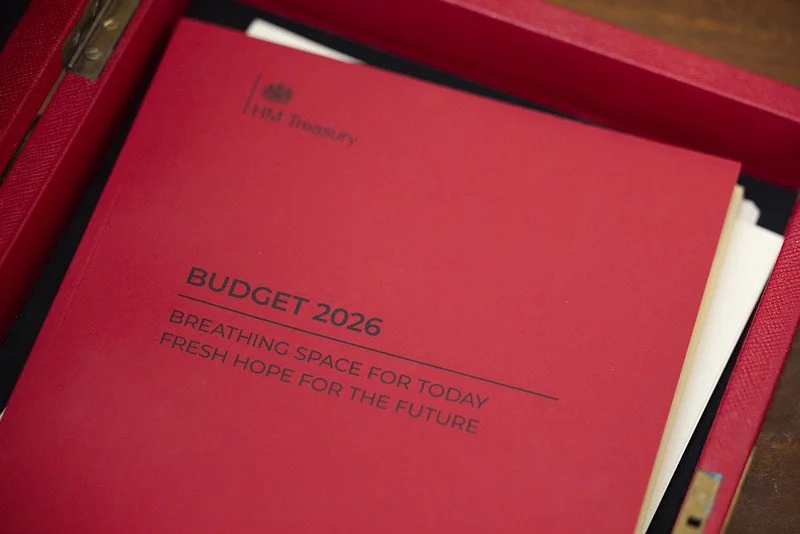
Our team gave snap reactions to the 2026 Budget yesterday. Below, we look in more detail at what it means for entrepreneurs. Alongside the Red Book, the Government published an Entrepreneurship in the UK Prospectus, which sets out many of the measures covered below.
(Source: HM Treasury)
Tax for founders and investors
Founders’ Relief and BADR
From April 2027, founders and significant early investors who sell shares in a high-growth, innovative company will pay Capital Gains Tax at 10%, instead of the usual 24%, on up to £10 million of lifetime gains. The qualifying conditions for “high-growth”, however, are narrow.
Founders need to have:
owned at least 25% of the company when it started trading;
held their shares for at least five years before selling; and
been a UK tax resident for five years before the sale.
The company needs to:
be a UK trading company still in its original line of business;
have had at least £10 million turnover and 15 full-time staff in the year before the sale; and
pass two of three tests:
Turnover test: turnover growing by an average of 25% a year for three years in a row, from at least £10 million, reaching roughly £20 million.
Headcount test: full-time staff growing by an average of 25% a year for three years in a row, from at least 15. Directors and contractors don’t count.
Innovation test: at least £1.5 million of R&D spending claimed under R&D tax relief in the three years before the sale.
The Government is consulting on the detailed design until 30 November 2026, and founders can respond to the technical consultation.
The lifetime limit on gains eligible for Business Asset Disposal Relief (BADR), the 18% rate of CGT on qualifying disposals, has been halved from £1 million to £500,000. According to the Government, three-quarters of BADR claimants will still receive relief on their entire gain after this change.
Many of these measures respond to the Government’s Tax Support for Entrepreneurs call for evidence. Technical details of each tax change are in the Budget 2026 tax-related documents.
Changes to EMI
Last year’s Budget expanded Enterprise Management Incentives (EMI) to companies with up to £120 million in gross assets and 500 employees. This year, the Government has turned to the Company Share Option Plan (CSOP), used by larger companies that have outgrown EMI.
From 6 April 2027:
the individual CSOP limit will double from £60,000 to £120,000;
the £250,000 combined limit across EMI and CSOP will be removed, so employees can hold up to £370,000 in tax-advantaged options across both schemes;
the CSOP exercise period will be extended from 10 to 15 years; and
CSOP will be renamed EMI2, to make clear that it is intended as the next step after EMI.
EMI itself will also become more flexible. Employees will have 180 days, up from 90, to exercise their options after a disqualifying event. Companies moving to an Employee Ownership Trust will keep access to EMI. Companies will no longer need to notify HMRC separately when they grant EMI options, and will report grants in their end-of-year return instead.
The Budget did not say whether CSOP’s other rules will change. Under the current rules, employees generally need to wait three years after their options are granted to receive the tax relief, unless an exception applies, such as leaving the company for certain reasons. EMI has no such waiting period.
SEIS, EIS and VCTs
The Government will simplify the Seed Enterprise Investment Scheme (SEIS), the Enterprise Investment Scheme (EIS) and Venture Capital Trusts (VCTs). HMRC will also work with industry to improve Advance Assurance, the process founders use to confirm that their company qualifies before raising money.
The Government will also take action on excessive fees charged to investors, so that more tax-advantaged investment reaches the companies it is meant to support. This includes strengthening HMRC guidance and compliance activity, and working with the Financial Conduct Authority to improve transparency on fees.
R&D tax credits
The Claim Notification Form will be scrapped from 1 April 2027 and the Additional Information Form will be simplified from autumn 2027.
Trading Allowance
From 6 April 2027, the Trading Allowance will triple from £1,000 to £3,000, so individuals can earn up to £3,000 a year from trading, such as a side business, and miscellaneous income without paying tax on it.
Cost of employment
On 1 April 2027, the National Living Wage will rise by 3.9% to £13.21 an hour, and the rate for 18- to 20-year-olds will rise by 3.9% to £11.27. The Budget did not change the headline rates of National Insurance contributions.
Talent and visas
High Potential Individual visa
The High Potential Individual visa allows graduates of leading overseas universities to work in the UK for two years, or three with a PhD, without a job offer or sponsor. Eligibility will expand from graduates of the world’s top 100 universities to the top 150, with a proportional increase to the current cap of 8,000 applications a year.
Graduate visa
From January 2027, the Graduate visa for international students graduating from UK universities is due to fall from two years to 18 months. However, graduates of high-compliance universities with strong labour market outcomes will keep two years. PhD graduates will continue to receive three years. The Government has not yet published which universities will qualify.
Legislation on non-competes
The Government confirmed plans to legislate to restrict non-compete clauses, applying the restrictions across the whole economy. It will also consult shortly on the wider use of restrictive practices, before setting out its full position in early 2027 ahead of legislating. For background, see the Government’s working paper on options for reform.
Visa salary requirements
From spring 2027, minimum salary thresholds for each occupation will fall from the median to the 25th percentile of wages, with thresholds updated each year in line with wage growth. The separate discounts for those studying, recently graduated or in professional training will be combined into a single figure and the PhD discount removed. The most highly skilled workers will also get up to six months to find a new job if they lose their current one, the exact period depending on the duration of their previous employment.
Access to finance
British Business Bank
The British Business Bank’s financial capacity will increase by £5 billion to £30.6 billion, including £1.4 billion to invest in equity funds backing high-growth businesses, £450 million for a new venture debt product, which lets innovative firms borrow without giving up more equity, and further support for Community Development Finance Institutions, which target SMEs.
Capital markets
The Government says it will keep a cut to Stamp Taxes on Shares “under review”, recognising the potential economic benefits of a cut.
Widening access
Female entrepreneurship
Working with the Women in Tech Taskforce, the Government unveiled a fresh package to support women in technology and tackle barriers facing female founders and workers. The package includes two new voluntary standards on workplace culture and on investment practices, and a new scale-up women’s programme to support women starting and growing tech companies.
Young Entrepreneurs Allowance
The Government will pilot a Young Entrepreneurs Allowance in England, helping successful applicants with their living costs during the first year of their business. Details have not yet been published.
Scale UK
Scale UK will be a single access point to government support for high-growth businesses, bringing together existing support, including Innovate UK’s Velocity scheme, the Regulatory Innovation Office and the British Business Bank. A new Scale UK Connect pilot will give 200 high-growth firms expert advice, investor connections and international opportunities.
AI and Tech
Sovereign AI
The Government will provide an extra £140 million for Sovereign AI, including £60 million for the Sovereign AI Fund from 2027–28 to invest in promising British AI firms, with a new focus on physical and industrial AI, and £80 million for its R&D procurement scheme, so British AI companies can work on government challenges in health, AI security and defence.
Data Centre Covenant
The new Covenant offers strategic data centres faster grid connections in return for meeting conditions on energy, local investment, environmental standards and security. The Government is also backing Ofgem in clearing speculative applications to the grid and allowing developers to build their own grid connections, as set out in the Government’s response to its consultation on accelerating grid connections for strategic demand. However, permission to generate power on site while waiting for a grid connection is limited to “exceptionally strategic” projects.
You can find the detailed policy paper here.
Regulation
Better Regulation Executive
The Government is establishing a new Better Regulation Executive, leading the work on a more streamlined and proportionate regulatory system.
The Government aims to cut the administrative burden of regulation on businesses by 25% by the end of this Parliament, saving £5.6 billion a year. It says it has delivered or identified £2 billion of net savings so far. This Budget identifies a further £413 million to £643 million a year of savings for businesses. Details are in the supplementary document on the 25% target.
For growing companies, the most relevant proposal is to extend the audit exemption that small companies already have to medium-sized companies. At the moment, a company is medium-sized if it meets two of three tests: turnover of up to £54 million, a balance sheet of up to £27 million, and up to 250 employees. If the proposal goes ahead, many of these companies would no longer need a statutory audit, and subsidiaries would also find it easier to qualify for an exemption. The proposals are part of the Modernising Corporate Reporting consultation, which closes on 30 November 2026.
Regulating for Growth Bill
As previously announced, the Regulating for Growth Bill will give the Government new powers to temporarily adapt existing rules so that new technologies can be tested. Proposed early uses include testing new medicines and medical devices with the MHRA, developing drones and autonomous systems, and AI Growth Labs for AI products and services.
Also in the Budget
From October 2027, online marketplaces will collect VAT on sales by UK VAT-registered sellers, and by other UK businesses selling at least £90,000 a year on a platform. Personal sales, second-hand goods and business-to-business sales are excluded (you can read the consultation outcome here).
From April 2029, self-employed fathers, partners and adopters will be eligible for parental pay.
From April 2029, self-assessment taxpayers who make payments on account will make more regular payments during the year. Businesses will also need to set up a direct debit for amounts still owed on VAT and PAYE returns.
Taxpayers joining Making Tax Digital for income tax in April 2027 will not receive penalty points for late submission of their first four quarterly updates.
Philip will be back with further analysis in tomorrow’s Perennial Gale. Make sure you are subscribed to all of our newsletters to keep on top of further developments and stay in touch to join future events.